Our God of Multiple Chances
 Throughout both the Hebrew and Christian Scriptures, we hear the voice of the Lord calling us to kindness, compassion, and a commitment to caring for all – whether our family, friends, and fellow community members or those who have come seeking refuge from other lands. Recently, the focus of our readings has been on the loving mercy of the Most High. The stories of the servant who had been forgiven a large debt but refused to forgive a smaller one owed to him by a fellow servant, the owner of the vineyard who paid all of the workers the same full day’s wage without making a distinction among them based on number of hours worked, and the requirement to seek to find reconciliation with fellow members of the community – all have made clear the importance of mercy and compassion. All are parables pointing to the infinite mercy of the Father, who never gives up on us.
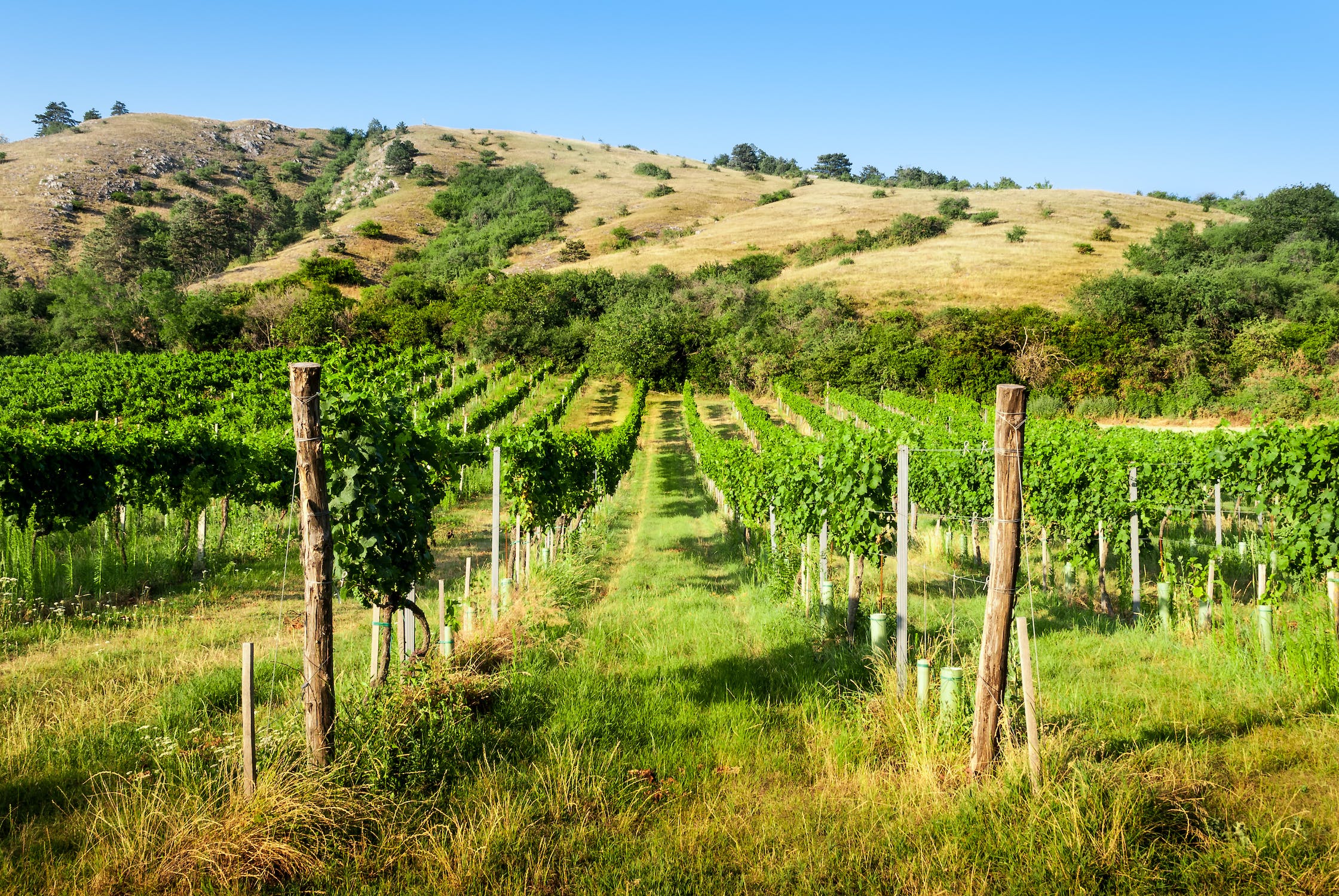
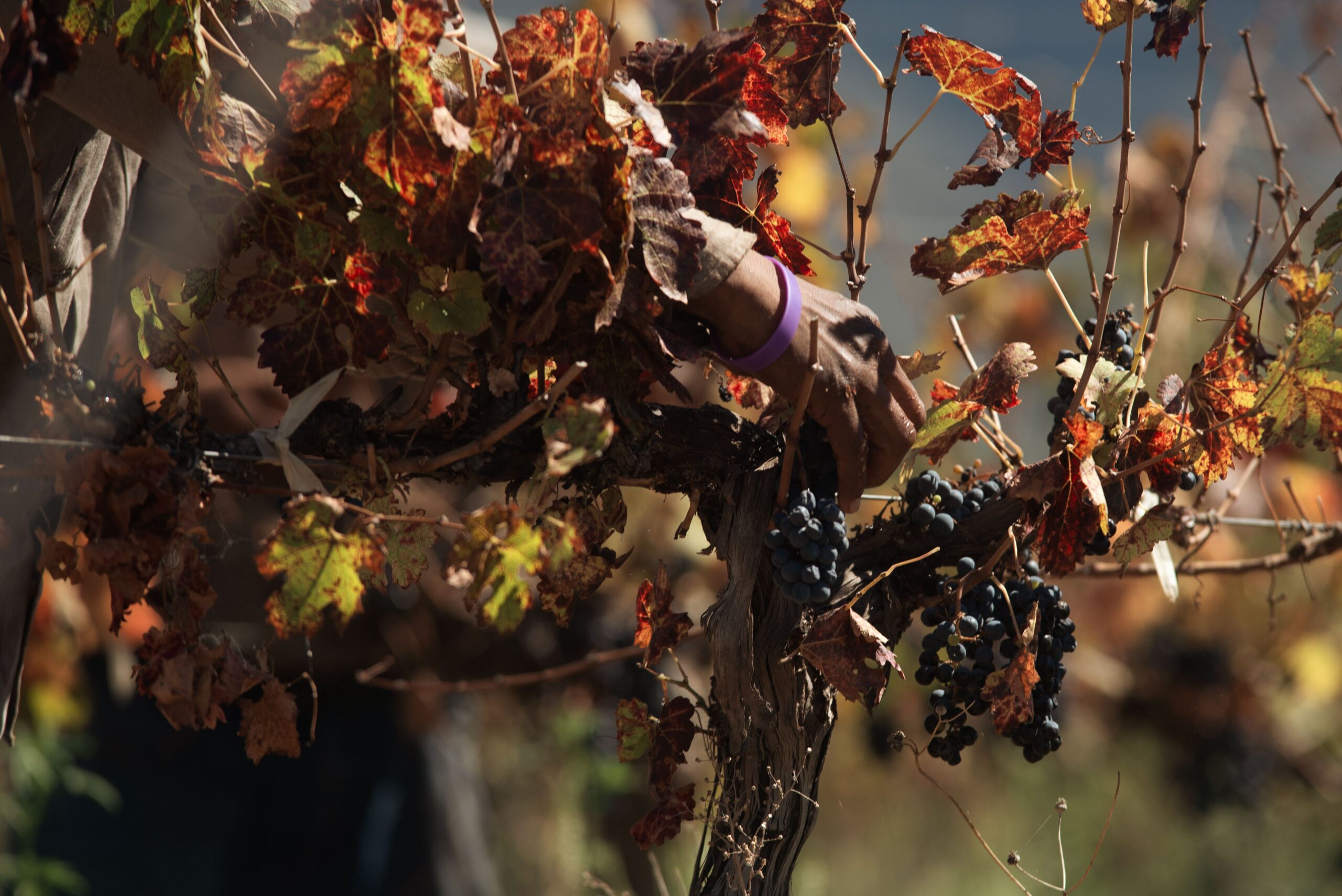
This week’s readings include the wonderful story of the two sons who were told by their father to go work in the vineyard. One flat out refused to go. The other said, “Sure.” But he never quite got around to getting to the vineyard. The first one thought better of his refusal and went to work in the vineyard. Jesus asked the people to whom he told the story and he asks us, “Which did his father’s will?” (Mt 21:28-32)
It’s an important question for all of us. We all have times when we are asked to do something we’d rather not do, but it is something that needs to be done. Do we do it willingly and without hesitation? Do we say, sure, but never get around to doing it? (I know what mine is, do you know what yours is?) Do we say “not a chance,” but then realize we really should do it and get busy doing it?
And how does the father respond? He loves both sons. He rejoices when the one who originally refused to help stepped up anyway and did as he had been asked. I would guess he was frustrated with the response of the other son. But he keeps giving that son the chance to do what is asked as well. Frustration, exasperation, hope for a different response next time and delight when the son actually comes through and does what is asked – all point to the experience of being a loving parent.
Our heavenly Father is like that father. He keeps loving us – time after time – always hoping we will live with compassion, kindness, patience, and generosity in helping each other. I expect there’s a good deal of exasperation with all of us! But we keep trying too. That’s all we can do. Stumble along and keep getting up and trying again. And this Father, our God of multiple chances, asks us to remember to give others the benefit of the doubt, trusting that they too are loved. Maybe they just need a bit more time to notice it and figure out how to respond in a loving way. As Jesus noted, the great public sinners (tax collectors and prostitutes) were more often turning back to the Lord’s way faster than those who believed they were already living in obedience to the Law.
We are quick to judge and condemn others. But through Ezekiel, the Lord asks us, “Is it my way that is unfair, or rather are not your ways unfair?” It’s a good question and one to take to heart each day. (Ez 18:25-28)
Here are a few prayers for this week:
We pray for our community of faith throughout the world, that we welcome and accept all who come to join us in serving the Lord through our lives, including those whose journeys may be long and winding along the way.
We pray for our leaders locally and around the world, that their hearts be opened to hear the Lord’s voice calling them to forgiveness, mercy, kindness and compassion in their lives and leadership, especially in dealings with those who are unable to provide for themselves and their families through their own efforts alone.
We pray for all peoples in war-torn lands, that they receive strength to continue their lives with hope for an end to the violence, and for all those who work either openly or behind the scenes to reach agreements that will end the suffering with justice for those whose lives have been disrupted.
And may we remember always to listen to the voice of the Father, asking us each day to go into the vineyard of our lives and work to help nourish and grow a rich harvest of love and compassion for all.
Peace be with you.
Readings for the Twenty-sixth Sunday in Ordinary Time – Cycle A
Bishop Ramón Bejarano of the Diocese of Monterey offered a marvelous reflection on these readings. His homily is available to watch on Resurrection Catholic Community’s YouTube channel.
Read More