He Humbled Himself – God Greatly Exalted Him
 One afternoon, when I was in high school, my teacher handed out a surprise test. We were told to read the instructions and complete it, then turn it in and we could leave. This was not the regular thing, but not unheard of to be allowed to leave the room once an exam had been completed. Little did any of us expect to be humbled by the experience.
We all started reading and completing the exam. The first line of the instructions said to read through all the questions before beginning. Sure, sure. What a waste of time, right?
Most of us just started working on the questions, beginning with number one and working our way down the page. At one point, we were instructed to say a word out loud, and one by one, we did.
Eventually, I got to the end of the test, on the back of the page, and was embarrassed to read the final entry. “Now that you have read the entire test first, put your name on the first page and go home.”
I don’t remember if any of my classmates had actually followed the instructions, read the entire two pages, put their name on the page and left early. A couple of people had left before I got to that last entry, and I was a bit surprised. But it never occurred to me that the first instruction might actually be important to follow exactly!
It’s a silly example, but all too often, we don’t pay attention to the details of what we are asked to do. We jump in, assuming we’re smart enough or talented enough to do whatever has been asked, but we don’t stop to think that maybe there’s a better way to accomplish the same goal. We are proud of our abilities and forget our limitations. Humility does not come naturally to us.
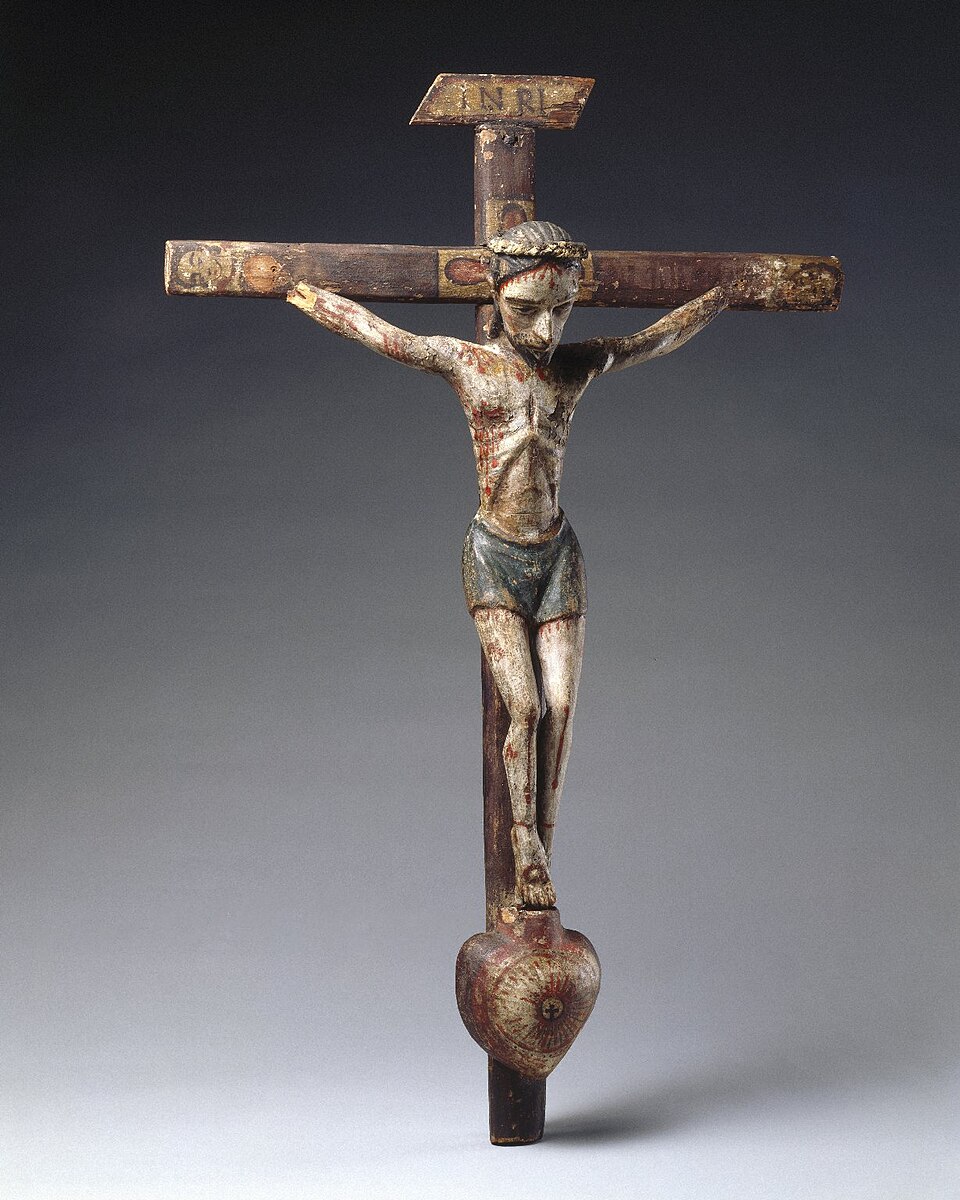
On September 14, we celebrate The Exaltation of the Holy Cross. This is an ancient feast and important enough to take the place of the regular Sunday liturgical readings. This year, we won’t be hearing the readings for the Twenty-fourth Sunday in Ordinary Time! Instead, we will hear of a love so deep that this humble love shines forth in glory as the Lord enters into creation and transforms all.
Wisdom from an Ancient Hymn
St. Paul quotes a hymn in his letter to the Philippians that was sung in the early Church, celebrating the coming of Jesus, the Christ, into our world. “Christ Jesus, though he was in the form of God, did not regard equality with God something to be grasped.”
These words were composed very early in the lives of the Christian community. Hundreds of years of reflection on the wonder of the Incarnation have followed the initial dawning of understanding of this amazing reality. God has come to be a human named Jesus, subject to all the limitations of human life. He did not hold onto the powers and privileges of being God. Instead, he accepted humbly all the limitations of human existence, including condemnation as a criminal to death on a cross.
St. Paul reminds his readers, including those of us hearing his words today, of the response of God to this self-humbling of Jesus. “God greatly exalted him and bestowed on him the name which is above every name…” (Remember, the word name means more than just what one is called – it refers to power.)
In Jesus, the Word of God, humbled himself. He, as a member of the Trinity, did not have to become one of us. But because he did it wholeheartedly and faithfully to his last breath, Jesus has been raised up and is recognized as Lord. In the process, our understanding of God is enhanced! “Jesus Christ is Lord, to the glory of God the Father.” (Phil 2:6-11)
Serpents in the Desert
The image of something raised up on a pole or cross is found early in the Hebrew Scriptures too. While the Israelites were traveling in the desert after the Exodus, there was a need for food to feed such a large group. The Lord sent manna each morning for them to collect for breakfast and birds in the evening for them to have for dinner. But after a few years, it began to be a bit boring to eat the same old thing every day. After all, how many ways can you prepare the manna to eat?
They complained to Moses about being in the desert and what God was providing for them. “We are disgusted with the wretched food!”
Hummm. Not necessarily a good idea to insult the one providing your meals, but what bad thing could happen?
Fortunately for the people, God is not vengeful. Things could have gotten really bad. Instead, they only got a little bad – unless you happened to be one of the folks bitten by the cobra-like serpents they ran into as they traveled! Some of those who were bitten died and the people came racing to Moses, apologizing for having complained about him and the Lord’s care for them.
The Lord had Moses make a bronze model of the serpent and hang it on a pole, so that any who had been bitten could be healed by looking at it. This Moses did and those who were bitten were healed.
The serpent on the pole was both a reminder of the wrongdoing of the people and a source for healing. The source of punishment was transformed into a source for reconciliation with a God who could also be humble and forgiving with his people. (Num 21:4b-9)
A visitor in the night
Early in his public life, a Pharisee named Nicodemus visited Jesus one night. Nicodemus had some questions for him, specifically about how and by what authority he was preaching and healing. As their conversation continued, Jesus spoke of the perspective of one who has “come down from heaven, the Son of Man.” (This is John’s Gospel, in which Jesus is more aware of his unique connection to the Father and it shows in his conversations.) He reminded Nicodemus of the time Moses “lifted up the serpent in the desert” and commented that the Son of Man would also have to be lifted up in order for all who believe in him to have eternal life.
Jesus’ next words are ones of amazing promise. “God so loved the world that he gave his only son … so that those who believe in him … might have eternal life.” God didn’t send Jesus to condemn humanity. God came himself in Jesus to bring life to all. God is humble enough to do what is needed to reach each of us, because God loves us so deeply. (Jn 3:13-17)
And so?
We humans will continue to bumble our way through life – often failing to recognize in our pride the simpler reality of mutual help and the need we all have for love and forgiveness along the way. But God doesn’t forget and keeps coming around, hoping we will remember the next time and ask for help when we need it and also humbly offer help and forgiveness to others when we can.
God so loved the world that he humbled himself to save us, to re-establish the original bond formed in creation. Now we are called each day to live that reconciliation and the connection we have with God, each other, and all of creation.
Readings for the Feast of the Exaltation of the Holy Cross – Cycle C