Pages Menu
RssFacebook
Categories Menu

Posted by on May 26, 2024

Did Anything So Great Ever Happen?

Did Anything So Great Ever Happen?

Stories of gods and demi-gods are found in cultures around the world. Typically, there is a major, powerful deity who has a spouse and children. Those divine children may also have spouses, or they may befriend and have children with humans. The grandchildren of the great gods, those born of a human and a divine parent, are known as demi-gods (half-gods).

Stories are told of these gods and demi-gods, as well as of their friends and enemies. The stories aim to explain the world in which we live and the reasons people behave as they do.

The gods and demi-gods act in very human ways, loving sometimes, hating sometimes, betraying each other, or tricking each other. A number of charming sets of stories of the ancient gods set in contemporary society has been told by Rick Riordan. His stories are based on Greek, Roman, Norse, and Egyptian deities who are still active in modern times, having children with humans and carrying out their battles and rivalries with each other and with the forces that preceded them. All are set in places that have similar importance today as did the ones from ancient cultures. My family and I have very much enjoyed reading these stories and seeing what places in contemporary America might be the location of Olympus, the gates to Hades, the city of Rome, and other ancient mystical places.

Our own Judeo-Christian heritage has grown out of a different experience. As the Israelites prepared to enter the promised land, crossing the Jordan River into the land they were to conquer and claim as their own, Moses spoke to them of their unique history and relationship with their God. “Ask now of the days of old, before your time, ever since God created man upon the earth … Did anything so great ever happen before?” (Deut 4:32-33, 39040)

What was this great thing that had happened? Their God took them from among the population of another nation, led them out with many signs and wonders, defeated that nation (the Egyptians), led them through the desert, cared for their needs, and gave them a set of rules and commandments by which to live. Finally, their God was giving them a new land in which to live and prosper with their children. This was unique. Their God was not many gods. Their God was one being and entered into a very special relationship of love and care. No other gods were equivalent, nor was any other “deity” to be worshipped. All powers were subject to their God.

To this day, the descendants of Abraham, Jews and Arabs alike, along with Christians and Muslims from around the world, believe in and worship one God. Jesus, born into Jewish culture and family, grew up learning of the wonders of God’s relationship with his people. He was a normal man, from a normal family, and in the course of his life, his nature as both human and divine came to be known. The God of Abraham, Isaac, and Jacob became a human in Jesus. Jesus, the Word of God, the Logos, was born into a human family, grew up in a very normal way, and following his baptism in the Jordan River, began to teach and preach. He learned much along the way during his public life. He learned from men and women with whom he interacted. He learned from non-Jews as well as from other Jewish people. He spoke of God’s Kingdom and what it meant in reality for humans.

Powerful people were threatened by Jesus and his teaching. His death should have ended it all, but with the Resurrection, everything changed. Recognition of the divine nature of the man Jesus became the hallmark that broadened even further the amazing things God has done. “Did anything so great ever happen before?” Did God ever before enter into human life so intimately, sharing our joys and sorrows, our triumphs and our defeats, our health and our suffering and death?

St. Paul spoke to the people of Rome about the relationship between humans and God. Those people who have believed and are now led by the Spirit of God become children of God. They are not slaves, subject to every whim of a master. They are God’s little girls and boys, God’s children, brothers and sisters of Jesus, the firstborn. They are loved deeply by the Father and join in glory with their God. This is truly unique. (Rom 8:14-17)

Making it all even more marvelous, this relationship with the Father is not limited to the people originally chosen for a relationship with him. It took a while for the community to realize the full wonder of what God was doing, but they/we got there.

St. Matthew closed his account of Jesus’ life with the story of Jesus commissioning his followers to go out and tell the world what they had seen and heard from him. On a mountaintop in Galilee, the eleven disciples were with him when he appeared. He approached the group, who were not totally sure what to think of his coming to them there, but he had a message, a commission for them. “Go… and make disciples of all nations, baptizing them in the name of the Father, and of the Son, and of the Holy Spirit.” (Mt 28:16-20)

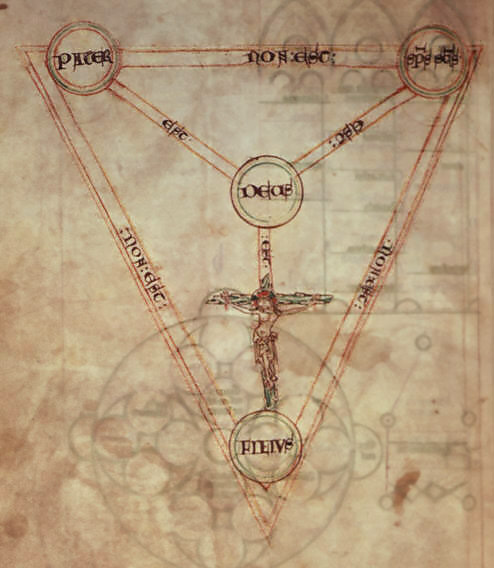
This trinitarian understanding of God, the one God of the tradition, is seen as including much more than one individual human’s personhood. God is parent/creator. God is brother/redeemer, God is the Spirit of Love, the Holy Breath of God. God has been described as a great dance of love whirling through all of reality.

It’s really a much more complex mystery than we have words to express. God comes to us in many ways and many places. We see God’s face in the love of family and friends. But also in the kindness of strangers and the wonders of all creation. We feel the breath of love, patience, forgiveness, and joy that bubbles up at the most unexpected moments in our lives.

“Did anything so great ever happen before?”

We celebrate the Holy Trinity today and through the week to come. May we rejoice in the wonder of our God who enters into our lives in so many and such marvelous ways. We ask that our eyes be opened to see and hear the presence of God among us. We prepare for the day we will see our God in glory.

Peace and joy be with you, today and always, as we celebrate the wonder of our God!

Readings for the Solemnity of the Most Holy Trinity – Cycle B

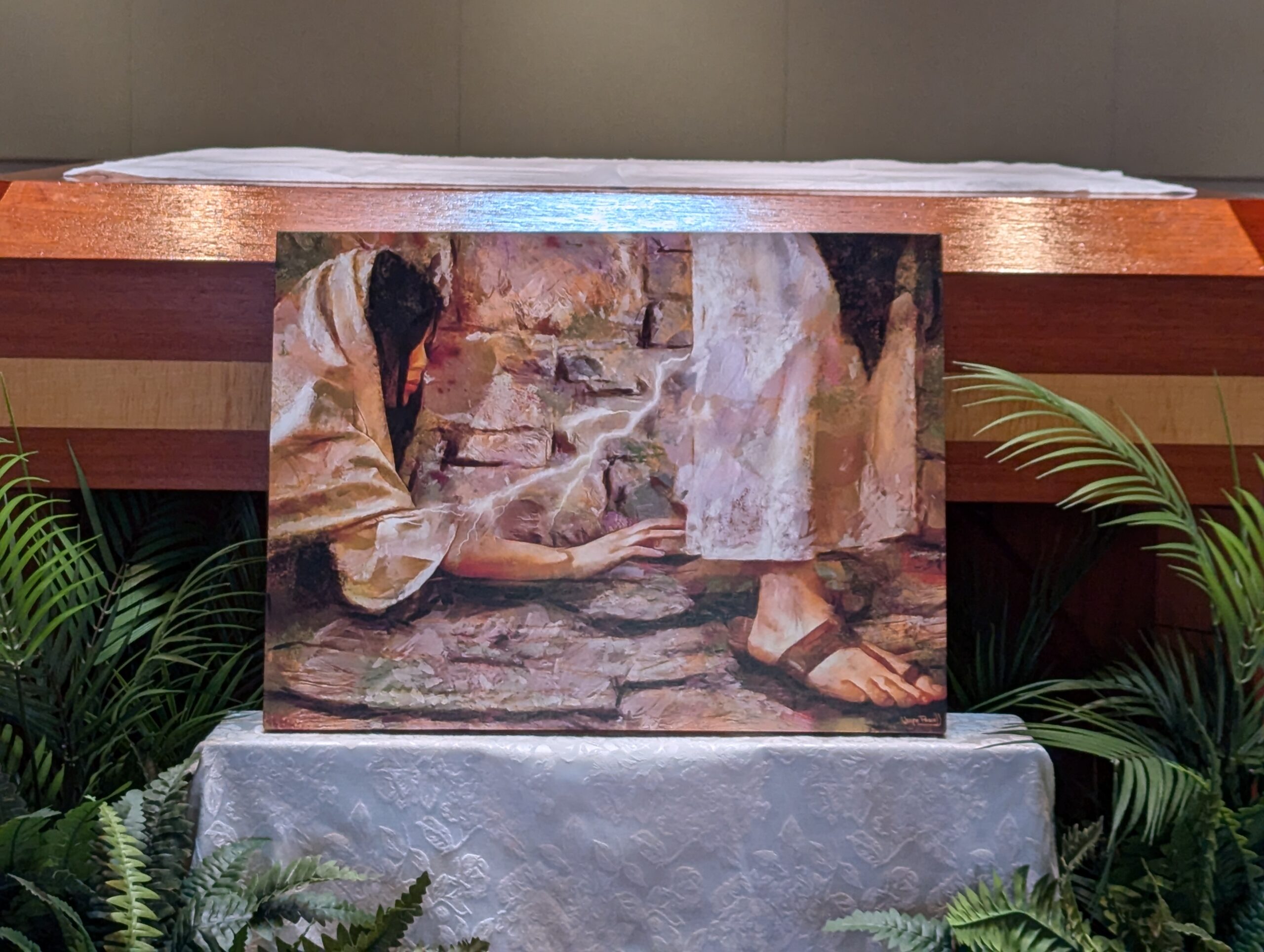
Illustration – The Shield of Faith – Background Information


Read More

Posted by on May 19, 2024

Covenants Renewed and Transformed

Covenants Renewed and Transformed

The feast of Pentecost began as a harvest festival in Israel. By the time of Jesus’ life, it had become a festival celebrating the gift of the Torah at Mt. Sinai, when Moses went up the mountain to meet the Lord and returned with the tablets of the Law. It was a festival celebrating and renewing the covenant between the Lord and the Jewish people.

Fifty days after the Resurrection, and after Jesus had been taken from their sight at the Ascension, the apostles and close followers of Jesus were gathered in a room in Jerusalem to pray, as Jesus had instructed them to do. This day was the feast of Pentecost. A loud noise began in the room, like a mighty wind on a mountain top, and flames that looked like tongues of fire appeared over the heads of those gathered there. On Mt. Sinai, there had been a loud wind, flames, and a loud voice signaling the presence of the Lord. Now these were being experienced in a room in Jerusalem. The Holy Spirit swept into each person in that room and they were transformed. No longer frightened and hiding in fear for their lives, they began to praise the Lord boldly and speak of what they had seen and heard, using languages they had never before spoken.

Folks outside noticed the uproar and wondered what was happening. Jews from all over the world were there for the feast and noticed that what they were hearing was in the languages of all the surrounding countries, including Rome. More surprising, what they heard was the disciples telling of “the mighty acts of God.”

The reading from Acts of the Apostles for this feast of Pentecost stops at this point, but the actual story goes on. Peter went out and spoke to the crowd, telling them about the Resurrection and the new covenant that God was establishing with all who would believe and follow the Lord Jesus. Large numbers of people believed and the growth of the community began in earnest on that day.

This day of Pentecost was the fulfillment of a promise Jesus made before his death. St. John speaks of the promised Advocate who would come and testify to the disciples of the truth that Jesus had taught them. They in turn were to go out to the world and testify to what they had heard. Since so much of what Jesus had taught them was still hard to comprehend, the Advocate, the Spirit of truth, would come and guide them to understand it. In this, the Advocate would make clear the meaning of what Jesus had received from the Father and shared with them.

This process of understanding all they had heard was only beginning at the first Pentecost. Many controversies, many changes, many years of discussing and coming to new understandings awaited the community. When folks with one set of ideas came to town and began to teach ideas different than those initially presented by Paul or the other apostles, it became necessary for these leaders to remind members of the communities that were in turmoil what the fundamental teaching was. One major conflict revolved around how much of the ancient Jewish Law was to be required of new members of the community, particularly those who were Gentiles. Did they need to become Jews? What did it mean to live by the Spirit? Did that mean by the ancient Law or something else?

St. Paul devoted many of his letters to dealing with these questions. How do we recognize life in the Spirit?  Paul explained that living by the spirit meant denying many kinds of actions we commonly see among humans – actions that have negative effects on life in community or family. Instead, living in the Spirit would result in what he called “the fruit of the Spirit … love, joy, peace, patience, kindness, generosity, faithfulness, gentleness, self-control.” These things are all signs of the presence of the Spirit in our lives. We receive the gifts we need to serve the Lord in the ways He calls us to serve the community. And together we become one body of Christ.

All of this brings us to some important questions. What does it mean to live in the Spirit today? Has that changed from what it was in the past? Was it all set in stone nearly two thousand years ago? Or are there new understandings that can come to us today?

How does our covenant with God become renewed and transformed through the centuries. At the time of the Apostles and early Christians, there was an expectation that Jesus would return in glory within at most a hundred years or so, maybe even sooner. But that didn’t happen.

As our community of faith has continued and grown through the centuries, many men and women have pondered these questions. Many wise ones have written their thoughts, observations, insights into living in the Spirit. The teachings have been organized, categorized, shaped into traditions and ways of doing things (laws). They have grown and developed along with the growth of knowledge in science, philosophy, mathematics, astronomy, literature, and all the many areas of human inquiry.

As we today deal with new questions that arise from the realities of our lives, as well as some very old challenges dating from the dawn of human history, how do we know what the Spirit is guiding us to do? What do we bless? What do we reject? What do we seek to transform? How do we determine which is the option to which the Spirit is calling us?

We can go back to a fundamental insight from Paul – when we are under the Spirit, we are not bound by old laws that do not lead to the blossoming and development of the fruit of the Spirit. If it’s not loving, joyful, peaceful, and so forth, then it may not be of the Spirit. But if it is, and if it includes more people and opens the gates to loving patience, kindness, generosity, faithfulness, gentleness, kindness, and self-control, then we know the Spirit is present.

God’s time is not our own. The gifts of the Spirit and their fruits are ever new in our lives. The covenant is continually being renewed and transformed. We open our eyes to the insights of our contemporary world. We recognize that many things we humans believed in the past might not have been totally accurate. We admit that we don’t yet know everything. And we keep our ears and eyes open to see where the Spirit will lead us now.

It’s Pentecost. We rejoice this week that the Holy Spirit, the Advocate, is here among us – teaching, guiding, laughing, playing, and bringing joy and peace to our hearts.

Alleluia.

Readings for the Feast of Pentecost – Cycle B


Read More

Posted by on May 11, 2024

Transitions: Waiting, Praying, Growing

Transitions: Waiting, Praying, Growing

What can be done with a broken plate, or cup, or bowl? A beautiful keepsake crashes to the floor and is, as the saying goes, smashed to smithereens! An everyday cup slips out of a child’s hands and meets the same fate. Things break, both literally and figuratively. Sometimes they can be mended. Sometimes they can’t. And sometimes they can be reused rather than being sent to the trash heap.

In our own lives, we also experience times of transition. Something exciting and wonderful comes to an end and we mourn its passing. Something difficult begins to improve and we rejoice, hoping the improvement will continue. Sometimes it’s a bit of both and the something new is born slowly and quietly. Sometimes there’s a sudden change and that also requires time for adjustment.

In these times of transition, when broken pieces wait for realignment and transformation into something beautiful again, we don’t always know what to do. These are times for waiting, praying, and growing into newer, deeper, more human persons.

After the Resurrection, the disciples were visited many times by the Risen Lord. They came to believe that he had indeed risen from the dead. Many still thought he might now lead armies in battle to “restore the kingdom to Israel.”

The last time Jesus met with his friends, he instructed them to remain in Jerusalem and wait “for the promise of the Father” of which both he and his cousin John had spoken, the baptism with the Holy Spirit. (Acts 1:1-11)

Baptism is a word that means to plunge into something. Baptism with water involves having water poured over the person being baptized or their being submerged into water. Baptism with the Holy Spirit is not a physical thing. In the sacrament of Confirmation, the Bishop anoints the person with chrism and lays hands on the person’s head, while together we pray with him for the Holy Spirit to enter into their hearts in a new and deeper, transformative way. Not everyone experiences a sense of something being different in their lives after Confirmation, but there is a difference and some do notice it. Sometimes, the difference is dramatic. In the early Church and at various times in the following centuries, the coming of the Spirit has been seen in the community with signs and wonders – speaking in tongues, prophesy, healings, and other wonderful things.

At any rate, whether with dramatic signs or simply with a quiet sense of peace, Jesus promised the disciples would be baptized, plunged into, the life of the Holy Spirit. How that would happen or what it would mean was not explained before he was taken up and away from their sight. Two men, dressed in white, reminded them that they were to return to Jerusalem to wait and pray for the fulfillment of the promise. And so they did. The men also promised that Jesus would return one day. How or when this would happen was for the Father alone to know, he assured them.

St. Mark also spoke of Jesus’ final words before being taken up into heaven. He told them to “Go into the whole world and proclaim the gospel, the good news, to every creature.” Signs and wonders would accompany their preaching. We can get very literal in understanding the words in the Gospel, but I suggest it’s important to seek understanding in terms of what we have learned in two thousand years about humans and our interactions with each other. People would be healed, new words and ways of speaking would be used, dangerous things would not hurt them. All would see the goodness of God in their lives and actions. (Mk 16:15-20)

St. Paul instructed the community at Ephesus regarding the gift of living their lives as Christians, followers of the Lord. The eyes of their hearts will be opened to see and understand the great hope and power of the inheritance they have received through the Holy Spirit’s anointing. They are to live with humility, gentleness, patience, preserving the unity of the community with peace. They are one body and share in the one Spirit, received through their baptism. Some are to go out publicly and teach and preach. Others will live more quietly in their communities, doing the regular things expected of those with their calling – parents, homemakers, tradesmen, teachers, healers, software engineers, doctors, lawyers, scientists, astronauts, poets, musicians, and so many, many more vocations that have opened through the centuries. (Two reading options – Eph 1:17-23 or Eph 4:1-13)

We are all called to be preachers of the Good News. We are not all called to do it on the street corners or pulpits of our communities. We do it in the everyday way we live our lives. Forgiving when we have been hurt. Helping those to heal who have been wounded, whether physically or emotionally. Finding ways to make living as Christians fun for our families, and preparing each member to be able to hold on to the hope and joy of the Good News while dealing with the opposition they will meet outside the community.

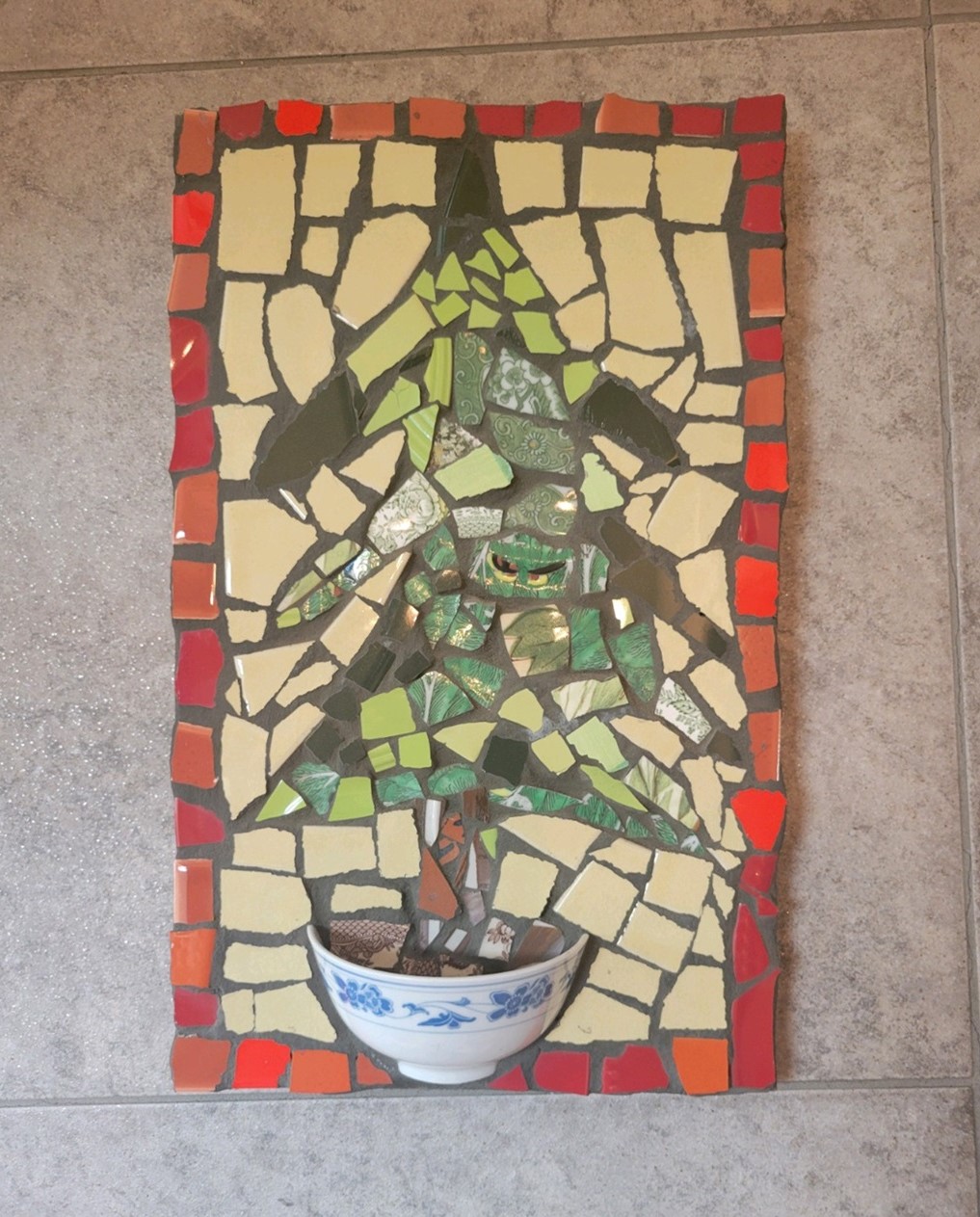
As a community, we are like a great big mosaic that is being created by our Father. He takes each of the broken pieces of our lives, places each in a very specific place in the design he envisions, and creates something beautiful and unexpected. Meanwhile, we wait, pray, and grow, becoming the pieces he needs for the mosaic.

As we wait and pray this week for the coming of the Holy Spirit into our lives once again at Pentecost, may we have the courage to request the grace of being open to the ways the Father will shape and mold us into the pieces he needs for his mosaic. It may take a bit of sanding, nipping off a corner here or there, or being turned around or upside down several times, but eventually, we will fit into the picture just the way we need to fit.

Readings for The Ascension of the Lord – Cycle B


Read More

Posted by on May 5, 2024

Who Gets to Go First?

Who Gets to Go First?

A group of children get together to play. After some discussion, they decide on a game. It may be a group game or it may be a one-on-one game. If a group game, captains of teams are selected and the group is divided into teams. With a one-on-one game, it’s somewhat easier, as long as the two players have already been selected. If not, then the group must decide which two will play.

Finally, the preliminaries are completed and then the most critical question is asked. Who gets to go first? Is it the player with the red markers or the black markers in checkers? Which team is “up” first in baseball? Who serves first in volleyball? What about chess? Or Chutes and Ladders? Or Candyland? Even games for very young children require addressing this question. Who gets to go first? How is the decision made in a fair way? Sometimes it seems like the team or player who goes first will have the advantage in the entire game. That’s not necessarily the case, but it can feel that way.

In God’s relations with humans, we often think that we are the ones who make the decision about whether God will be part of our lives or not. It’s my decision whether I will pray, or go to church, or have my child baptized, or, or, or.   So many possible times that I must make a decision regarding my relationship with what one of my professors, Dr. David Mandelbaum, called “The Transnatural.”

The Transnatural refers to experiences, forces, unexplainable realities that are experienced by peoples around the world. They are often called gods or spirits or demons or other titles, depending on whether they are perceived as positive or negative in their relationship with human life and community. They are beyond our everyday, ordinary understanding of the natural world. Commonly, the term supernatural is assigned to them. However, Professor Mandelbaum suggested that transnatural as a descriptive term takes away the value-laden pre-conceptions with which we look at such experiences when we call them supernatural.

As groups, we also tend to think that our understandings and rules for membership in our community are exclusively ours to determine. But that is not necessarily the case.

Blessedly, whether we are loved and welcomed into God’s family is not determined by our worthiness, our ethnic or racial background, our wealth, our education, our family connections … God is the one who decides, who takes the initiative, who welcomes all.

St. John reports that Jesus told his disciples, “As the Father loves me, so I also love you. Remain in my love.” How does one remain in his love? By keeping his commandments. He doesn’t say by keeping the Law dating from the time of Moses. He says, “my commandment.” And what is that commandment? “Love one another as I love you.” (Jn 15:9-17)

This love is not one of master and servants or slaves. This love includes self-sacrifice on the part of Jesus, the first lover. He calls his followers friends, – trusted friends, friends with whom he shares his deepest thoughts and even fears. He also shares all he brings from his Father.

Who chose whom in the relationship? “It was not you who chose me, but I who chose you…” And because we have been chosen and sent to bear fruit, we may ask the Father for what is needed and we will receive it.

Will it always be what we expect? No, most certainly not. But not because Jesus lies or because the Father doesn’t keep promises. Not everything we think we need or want will be good for us or others in the long run. And God is in it for the long run with us.

Who gets the first move? God does and did. That first move sets things in motion and God is still a player, a companion in the game, with arguably a better view of the final outcome.

St Peter discovered this reality relatively early after the Resurrection. He was traveling and stopped to rest and have lunch. While he waited, he had a vision and in this vision, a large cloth filled with animals was lowered from the sky. A voice ordered him to eat them. But they included ritually unclean animals. He couldn’t eat them. He would become unclean himself. The cloth with the animals went up and down from the heavens three times. Each time the voice from heaven told him, “What God has purified you are not to call unclean.”

As the visions ended, messengers arrived from Caesarea with a request from Cornelius, a centurion in the Roman cohort there. Cornelius had been told in a vision to send a messenger to Peter and ask him to come visit. Cornelius was known to be a good man, God-fearing and respected by the Jewish community. Peter agreed to visit him.

The next day, they went to the home of Cornelius, who welcomed them warmly. He explained that he too had received a vision, instructing him to invite Peter and listen to his words. At that Peter began to tell him about Jesus and all that had happened. While he was speaking, the Holy Spirit swept through the room, descending on Cornelius and his family, who began to speak in tongues and glorify God. Usually, the Holy Spirit’s presence was seen after new believers had been baptized and hands laid upon them invoking the Spirit. When this happened outside the usual order and without any human intervention, Peter realized that non-Jews could also become believers. God had called them too and loved them equally. Cornelius and his family were baptized then and there and entered the community of believers. (Acts 10:25-26, 34-35, 44-48)

Once again, God made the first move.

Many years later, reflecting on all he had seen and experienced, John wrote a letter to some of the communities who were struggling with disagreements about the teachings of the apostles and Christian beliefs. John, in this letter, stressed repeatedly that love originates in God. In fact, “God is love.” So we must love each other. Only in love can we know God and only through love does life come to each of us. We can love because we are loved. We have life because we are loved. God loved us first. God got the first turn in the game and dance we all share. The dance and game of life and love itself. (1Jn 4:7-10)

This week, let’s remember how much we are loved and how Love does not exclude anyone. Some folks may be harder to love than others, but love doesn’t mean ‘like’ or ‘do just as others do.’ Love means to care and wish the best for all. Love means to smile and be patient while waiting in line or for someone else to finish before we get our own turn. Love means opening to the beauty of the day, even as the rain pours down and winds blow. Beauty and love surround us and are the very air we breathe and the atmosphere through which we move. God has the first move. Now we get our turn. It’s a wonderful adventure.

Readings for the Sixth Sunday of Easter – Cycle B


Read More

Posted by on Apr 28, 2024

Chop Wood, Carry Water

Chop Wood, Carry Water

An ancient Zen koan came to mind as I read the story of St. Paul’s return to Jerusalem after his encounter with Jesus on the road to Damascus. The koan is this:

Before enlightenment, chop wood, carry water. After enlightenment, chop wood, carry water.

People have been reflecting on this simple statement for centuries. It’s a statement of deep wisdom that we see play out in the lives of many within our own Christian tradition as well.

The man we know today as St. Paul began as a Pharisee named Saul. Saul was a highly educated man, born in the city of Tarsus in Asia Minor, trained as a tent-maker, and educated in Jewish Law in Jerusalem. He was a Roman citizen by birth.

Saul was deeply troubled by the teaching of Peter and the other followers of Jesus after the Resurrection. It was all blasphemy as far as he was concerned. He was the formal witness to the stoning of Stephen, the first of the Christian martyrs, and Saul absolutely approved of Stephen’s sentence. He was not converted by Stephen’s dying witness either. He set out to root out this heresy wherever it was found.

On his way to Damascus, he met Jesus on the road. He was blinded by the encounter and realized he had been totally wrong. Jesus sent him on to Damascus, where he was healed and taught by Ananias about Jesus and the new way of living in faith.

Not one to sit around twiddling his thumbs, Saul began to share what he had learned with the Jewish community in Damascus. His words were so effective that the leaders plotted to kill him. Eventually, he had to be lowered in a hamper from a window in the city wall that opened to the outside, to escape with his life. He returned then to Jerusalem.

In Jerusalem, the Christian community quite reasonably were afraid of him. This man had persecuted them relentlessly and now he wanted to join them? Not going to fall for that trap, no siree!

But Barnabas befriended him and introduced him to Peter and the other disciples. He explained what he had experienced and his faith in Jesus. He began speaking and teaching about his experience throughout Jerusalem, again arousing opposition.

Rather than let him get killed or spark renewed persecution, the Christian leaders decided to send him out of harm’s way. They took him down to the shore at the port of Caesarea and sent him back to his hometown, Tarsus. There he returned to his original trade, making tents. (Acts 9:26-31)

Before enlightenment, make tents. After enlightenment, make tents.

For the rest of his life, Saul, who came to be called by his Roman name, Paul, made tents. But the story didn’t end with making tents in Tarsus.

Eventually, Saul was called back to Jerusalem by the community’s leaders and commissioned, along with Barnabas, to travel out into the Gentile world of Asia Minor and share the Good News with Jewish communities there and with any others who were open to hear it. Thus began the great work of evangelization of the Gentiles for which St. Paul is known. Much of the Acts of the Apostles tells of Paul’s journeys and the communities he founded. Wherever he went, he taught about Jesus and made tents to help support himself and those who traveled with him.

What about the rest of us?

St. John tells us that one day Jesus told his disciples, “I am the true vine, and my Father is the vine grower.” Just as a vine grower prunes the vines regularly so they produce good fruit, so the Father works through the words of Jesus to prune his vines and prepare them to bear fruit. “I am the vine, you are the branches. Whoever remains in me and I in him will bear much fruit.” In our following of Jesus and living out his words of love and service to each other, we bear fruit for the vine grower. Our lives of loving service, joy, and peace with those we meet throughout our lives will draw others to belief and sharing in God’s life. (Jn 15:1-8)

Along the way, as we grow in faith and trust, we continue to do the everyday things of our vocations. We chop wood and carry water, as it were. When we start out, we may not really understand the importance of everyday activities to a life of faith and service. With God’s grace, we grow in understanding throughout our lives. Sometimes we are blessed with a deep awareness of God’s presence in our lives and activities. We are enlightened to God’s presence in the NOW of our lives. Then the awareness fades as we continue on our journey from one day to the next. We continue to chop wood and carry water.

As John reminded his community many years later, we are to “love not in word or speech but in deed and truth.” (1 Jn 3:18-24) Our daily activities, the chopping wood and carrying water of our daily responsibilities, are the place we find God. This is where we come to recognize the Spirit in our lives and trust that all will be well in the end. The wood will have been chopped and the water carried to where it needed to go.

Seasons are changing around the world. For some the warmer, sunnier days of spring and summer are coming. For others, it’s autumn and winter will be here all too soon. Wherever we are, we are called to do the everyday things of our vocations. But we are also called to remember the Lord, to speak to our Father, to seek the presence of the Spirit in those we meet. We cook, clean, bake, grow vegetables, preserve food, share it with others. We go to work or school and share love and friendship with those we meet there. We come together to celebrate Eucharist, to give thanks for all we have received and shared. We chop wood and carry water.

Readings for the Fifth Sunday of Easter – Cycle B


Read More

Posted by on Apr 21, 2024

Help in Time of Need – The Shepherd

Help in Time of Need – The Shepherd

The afternoon was bright and sunny. The ocean was quiet. The breeze was gentle. All was peaceful and calm.

Suddenly, the chickens next door began to squawk and race around their yard. The roosters began to crow at the top of their lungs. The dogs barked up a racket. Something drastic was happening and they were telling the world.

Neighbors wondered if someone had fallen or if there had been some sort of accident to provoke such an uproar. But when they checked, all seemed fine and the animals had quieted again.

Later, the owner of the chickens and dogs explained that he had seen what looked like a badger approaching the house. The animals had responded according to their nature. The chickens were panicked, not having a great number of self-defense options! The dogs had shouted a warning to their owner that a serious problem was needing attention. And with all the uproar, the threatening animal changed plans and went back to the field.

St. John tells us that Jesus spoke of himself as the Good Shepherd. In biblical times, prophets often spoke of the leaders of the people as being their shepherds. This made sense with an historically pastoralist people, who raised sheep and goats and traveled with their animals. Jesus took the idea of shepherd farther than the traditional one of God as the Shepherd of Israel and leaders who failed to obey the Law as bad shepherds. Jesus declared, “I am the Good Shepherd.” In saying this, he was using the same terminology and usage as God had used when he spoke from the burning bush to Moses, “I Am.” This was one of seven times in John’s Gospel that Jesus speaks of himself in divine terms.

Jesus speaks of the role of the Good Shepherd as watching over the sheep and protecting them. Remembering my niece’s comment about sheep being dumb as compared with goats, I find Jesus’ statement even more striking. The Good Shepherd cares about the sheep, even if, and maybe because, they are not the most intelligent animals.  The Good Shepherd will protect the sheep even at risk of his own life. Jesus will give his own life for his sheep. Those who do not own the sheep will not do this. When the wolf (or badger or hawk in the case of the chickens) comes creeping up on the sheep, the hired shepherd might well run away. Wolves are not animals that are easily defeated. They work together in packs and don’t hesitate to go after humans too, if necessary to get the sheep.

When Jesus spoke about being the Good Shepherd, it was expected that only the Hebrew people were of interest to God. God was still a deity of only one relatively small group of people. Outsiders had no place among those to be protected by the shepherd. Jesus, however, did not consider only the Jews to be the sheep loved and protected. “I have other sheep that do not belong to this fold.” His mission is big enough to include all peoples. All are to be members of one flock. And all will be included in the salvation gained for them by the good shepherd who dies rather than allowing them to be lost. (Jn 10:11-18)

This was a huge expansion of understanding of the relationship between God and humanity. Through Jesus, God’s love and call extended formally to all. Those who believe and follow him become children of God. (1 Jn 3:1-2)

Because of the close relationship between the shepherd and the sheep, miraculous healings continued after the Resurrection through the actions of the apostles, as signs of Jesus’ power and relationship with the Father in the Trinity. Humans don’t typically have the power to heal with a word or a touch. But Jesus does. (Acts 4:8-12)

Like the owner of the chickens and dogs who faced the badger this past week, Jesus and his followers step up to help those who need extra help. This includes those with little money, those who have health issues, those whose physical safety is threatened, those who must leave their homes to protect themselves and their children, those who learn new skills or do jobs that don’t take advantage of their existing education but allow them to send funds to help their families far away. Thus, many, many people follow the Good Shepherd and do what they can to help and protect the sheep. And the Good Shepherd is there among all of us, his sheep, with all the messiness of our lives, walking with us and helping us along the way.

In this next week, let’s reflect on the ways we experience the protection and love of our Shepherd. Let’s also reflect on how we can share in his mission and help protect others whom we meet in our daily lives.

Readings for the Fourth Sunday of Easter – Cycle B


Read More

Posted by on Apr 14, 2024

Perfected in Love – Part of a circle

Perfected in Love – Part of a circle

It was an afternoon class, after a long day at school for all of the children. They had come together from several schools for religious education class that afternoon. They were members of the same parish, so they knew each other, had been in classes together since kindergarten. They were friends. They happily visited with each other until their teacher called them together to begin the day’s lesson.

One girl was having a happy conversation with one of her friends and didn’t really want to  stop and begin class. As the other children formed a circle with their teacher for their beginning song and prayer, she turned her back on the circle. She was in the circle, but her back was turned.

Her teacher was shameless about taking advantage of whatever happened in class to teach the children, so rather than get upset or angry, she directed the attention of the other children to what was happening. The circle was still there, even though the child was not participating. All she needed to do was to turn around and she would also be included in the conversations and lessons that would follow. But it was entirely up to her whether she would remain excluded or whether she would join. The situation was a perfect example of what happens when we turn away from God’s love and decide to go it alone. The choice to return is always our own.

This incident came to mind as I read St. Luke’s account of what happened on Easter Sunday evening when the Lord appeared to the apostles in the Upper Room. (Lk 24:35-48) Luke tells us that those who had met him on the road to Emmaus had returned and just told their companions that they had met the Lord and recognized him “in the breaking of the bread.” And then he was there in their midst. The doors were locked. There was no way for anyone to get in. Yet there he was. Quite a startling thing to experience, and not just a little frightening. It must be a ghost!

Jesus’ first words were ones of reassurance. “Peace be with you.”  He began to reassure them by having them touch him, including his wounds. He asked for food and ate it. Then he began again to teach them. This time it was about the history of prophecies regarding what would happen when the Christ came. They were more ready to hear what he wanted them to know and their minds were opened to understand. Jesus told them that repentance for the forgiveness of sin would be the message shared with all the world, beginning in Jerusalem. They themselves would now be the ones to witness to what they had seen and heard.

And so they were.

After Pentecost, the apostles preached fearlessly in Jerusalem, healing the sick and leading the community in worship and in communal living and service. Many thought the miracles of healing were the results of the actions and power of the disciples, but Peter and the others were quick to point out that they were not the source of the healing. (Acts 3:13-15, 17-19) It was the power of Jesus acting through them. Peter spoke one day, explaining in an ancient formula the divine origin of Jesus’ power and life. “The God of Abraham, the God of Isaac, and the God of Jacob, the God of our fathers, has glorified his servant, Jesus…”

It was a frightening thought to the people that they might have been complicit in acting against the prophet, the servant of God. But Peter was reassuring. Although they had acted against the anointed one, God would forgive them, because they didn’t know what they were doing. Repenting and not repeating their sin would lead to its forgiveness. In other words, they could turn back to the circle and again be part of the community of God. Being converted means to turn back to the circle of love.

St. John tells the community of the Beloved and all of us that when and if we sin, “we have an Advocate with the Father,” namely Jesus the righteous one. (1 Jn 2:1-5a) As we keep his word, keep his commandments, God’s love is perfected in us. Love is perfected as we love our God above all things and love our neighbors as ourselves. Turned into the circle and drawing strength from the Lord and our community, we can begin to live the law of love. We can be perfected in love, bit by bit, each time we turn back to the circle of those with whom we live in this great community of love.

May we be aware of the love we share and receive with others in this coming week and of the readiness of the Lord always to welcome us back into the community when we for any reason turn our backs on the circle.

Readings for the Third Sunday of Easter – Cycle B


Read More

Posted by on Apr 6, 2024

Mercy and Faith – Hand in Hand

Mercy and Faith – Hand in Hand

Once upon a time, there was a little boy who was just learning to walk. He was a curious boy and eager to explore his world. He lived in a home in which there were a davenport, a recliner, and a lamp table sitting together in the living room. (A davenport is a piece of furniture also known as a sofa, couch, or Chesterfield, in case you were wondering.) There was a narrow path between the recliner and the lamp table and davenport.

Sometimes, the little boy would be beside the davenport and notice something on the other side of the path between the recliner and the lamp table. The space was just barely wide enough for him to pass through it, but only if he kept perfect balance and didn’t get distracted on his way. So, he would bravely head into what his family came to call Dead Man’s Gulch! Part way through, he would fall and need help getting back up. Someone always came to the rescue and suggested that it might be easier to go around the recliner on the other side. But next time would come around and into the Gulch he would go, with predictable results.

This child’s experience came to mind today as I was reflecting on Divine Mercy, the theme of the Second Sunday of Easter. We often think of mercy as something that is given to those who merit it. By this logic, there are people who do not merit it at all. We look at what has been done and say that some things are simply unforgivable. Each of us has our own sense of what could never be forgiven, however. We look at whether the person harmed “had it coming” because of something they did or did not do. We look at whether the guilty party thought about and planned the action or whether it took place in a moment of blinding anger. Or maybe it wasn’t planned and was really just an accident that things happened the way they did?

But this is really not the way mercy works when we talk about God. We hear words in many readings and psalms to the effect that God judges and punishes sinners. We hear that God abandons the people when they break the covenant, but eventually God’s heart is softened and he again supports and defends his people, once they turn back to him.

That’s the way humans play the game. However, when we read those words, it’s essential to realize that they are the way humans interpret what is going on. It’s not necessarily the way God actually does things.

I suggest that God is actually more like the adults who helped the toddler up each time he crashed in the Gulch. The child was soothed and comforted, then the adult pointed out that it might be easier next time to go around the chair. Of course, it took a long time for the child to realize the adults might be right about that. In fact, it basically took until he got too big to get through the Gulch (or the adults moved the chair closer to the table so the passageway really was too thin).

We try things out. We act out of anger or frustration or despair or any number of other negative emotions. We decide not to act when we should. We act or speak when we shouldn’t. And God allows it to happen. We are free persons, with the option to choose what we will do and to do things wrongly, whether deliberately or accidentally. Either way, we have to experience the consequences – we crash in Dead Man’s Gulch. But God is there to help us get back up and try again.

The early Christian community experienced this first hand on the night of the Resurrection. The women had reported that Jesus had risen. Peter and John had seen the empty tomb. It was too much to believe. Then Jesus appeared in the locked room where they were all hiding. He showed them his wounded hands and feet. He asked for something to eat. They could see for themselves that he was not a ghost and they rejoiced. Then he spoke to them of mercy. He breathed the Spirit, the Holy Breath of God on them and promised that whatever wrongdoing (sin) they forgave would be forgiven by the Father. If they refused forgiveness, it would not be given.

Thomas needed more convincing, since he missed the first visit. Jesus came personally to Thomas as well and provided the proof he had demanded. He spoke those words of blessing for all of us who have followed afterwards, “Blessed are those who have not seen and have believed.” (Jn 20:9-31)

The years following the resurrection have been filled with the efforts of the community to live as Jesus lived – trusting in God to provide what was needed, helping each other, serving those unable to fend for themselves, loving and forgiving each other, seeking to give glory to God through their lives, and trying to be a loving, merciful people. (Acts 4:32-35 and 1 Jn 5:1-6)

Sometimes the community has been a beacon of mercy. Sometimes we have missed the mark and become sources of scandal. For this we beg forgiveness and try to make amends. It’s not an easy thing to love as God loves. But it is essential to try. No one is at base unfit to be forgiven, because each of us is still the toddler trying to find the way through Dead Man’s Gulch. God is the parent who is there to pick us up, dust us off, give us a hug, and remind us to try going around the chair next time.

Faith and mercy go hand in hand. When we believe that we are loved and that anything can be forgiven, as long as we too forgive, then the kingdom of Heaven shines forth on Earth through our lives and actions. God’s justice is mercy. Ours must become so too.

Happy Easter. Christ is Risen. Alleluia.

Readings for the Second Sunday of Easter – Sunday of Divine Mercy – Cycle B

Read More
Posted by on Mar 30, 2024

How Do We Remember?

How Do We Remember?

Memory is a tricky thing. As we go through life, we experience so many things that it would be overwhelming if we were aware of all of them at every second of every day. Good things, hard things, sad things, short-time things, long-term things.

When things happen that are particularly memorable or important, we think we’ll never forget them. But we do forget details. And our memories reflect what we found most important about the events. Have you ever told a story to someone else about a past event and had a partner or friend who was there and an active participant in the event tell a very different story or correct your version? The older we get, the more frequently it happens, I think.

Part of what happens is that our minds process information based on our experiences and our past history. The explanatory systems of our culture and our society, the ways we explain why things happen and how it all came to be, also shape the way our experiences are processed. Over time, memories of the everyday sort begin to be just one of so many stored in the “card catalog” of our internal mental libraries – there for the finding again, but maybe a bit aged, torn, or tattered.

I started thinking about memories this year during the Holy Thursday liturgy as we heard the story of the first Passover and St. Paul’s description of how Eucharist was celebrated in the first Christian communities. These events took place thousands of years ago! Yet we still remember and celebrate them. More amazingly, we celebrate them in a way very close to what was originally described.

Moving through the rest of the week, we hear more of the story of God’s work in bringing about reconciliation between humanity and himself. The words of prophets calling the community to care for the least capable people among us. The praise of those who are faithful to their mission despite being mistreated, abused, and even killed. The retelling of the ancient stories of creation, the covenant with Abraham, the crossing of the Red Sea. Descriptions of the Last Supper, Jesus’ agonized prayer in the garden before his arrest, his trial, execution, and burial. The wonder of the Resurrection, first discovered by women from the community who were his followers. The reflections of that community on what happened in the life of Jesus and the tremendous surprise of the Resurrection. Nobody expected such an outcome! There were no precedents on which to draw for explanation.

How would it all be passed on to a wider group of people? It was too important to be kept a secret, though in the first weeks no one spoke publicly about it. That would have been too dangerous. With the coming of the Holy Spirit at Pentecost, they were emboldened to speak publicly and so the world has come to know the wonders they witnessed.

The memories written down in the Gospels and Passion narratives are very similar, but they too were written by different people in different places and for different audiences. So, some of the details differ. The basics remain the same, however. The event happened and in more or less the same way described in each account.

Then how do these differ from other ancient stories such as the Odyssey, the Epic of Gilgamesh, the Iliad, and others? Why are they still remembered and actively celebrated in a way similar to the ancient ways?

Perhaps there are a few things that have made it possible. The first that comes to mind is the fact that these events happened in a community which had a history of remembering and reenacting ancient events. The Lord told the people that first Passover that the date on which it happened originally was to be the first day of the new year for them. It was to be celebrated the same way each year. And so it happened. Even to our day, at Passover, families and friends gather to celebrate this saving act of the Most High. Out of this celebration, the Christian community drew their remembrance, because Jesus gave the same kind of instructions to his friends when they gathered for the dinner. “Do this in remembrance of me.” This line is repeated each time we gather for Eucharist. Because the Resurrection took place on the first day of the week, Sunday on our calendar, it was seen as the beginning of a new reality in creation.

Another factor that has played into the continuation of this wonder is the fact that it involves more than just words. We pray actively – sitting, listening, standing, moving around the room, singing, eating, and drinking. We bring all of our senses into the experience, so we learn it deeply in our very being. The tastes, the smells, the sights and sounds – all are incorporated into our memories of the experience. Do we remember each specific time we have celebrated Eucharist? No. But we remember it as part of the rhythm of our lives and remember at least some details of the times that were out of the ordinary.

Perhaps one of the most important factors is that there is no time in Eternity. God’s time is totally separate from ours. God’s time is all Now, the present. From this comes the ancient Hebrew understanding that “Our ancestors crossed the Red Sea and our feet are wet.” When we celebrate Eucharist, the same thing happens. We are present with the apostles at that table with Jesus. We receive the same gift from him that was given to his closest friends. We are part of that community of “closest friends.”

And so, in the words of a lovely hymn, “We remember how you loved us to your death and still we celebrate for you are with us here. And we believe that we will see you, when you come in your glory, Lord. We remember, we celebrate, we believe.”

Happy Easter!

Readings for Holy Thursday – Evening Mass of the Lord’s Supper – Cycle B

Readings for Good Friday of the Lord’s Passion – Cycle B

Readings for Easter Vigil – Cycle B

Readings for Easter Sunday – Cycle B

Read More

Posted by on Mar 24, 2024

Hosanna – Please Save Us

Hosanna – Please Save Us

It’s funny how we can live for many years and hear a word over and over without really knowing what it originally meant. I discovered this yet again as I was looking over the readings for Palm Sunday. Words in scripture have very specific meanings that sometimes differ from our usage of them today. We repeat them day after day, week after week, year after year. And what we may think we are saying is not necessarily what the original words meant to those who first said them.

Hosanna is one of those words. In a Christian context, it has come to mean praise, adoration, joy. As a noun, it refers to these same feelings. Words of praise for a wonderful musical performance can be described as hosannas, for example.

Yet the original definition of the word is different. In Hebrew, hosanna is a word that means “save us, please,” or “help.” It is used in prayer as part of the liturgy for Sukkot, the Feast of Booths or Tabernacles.

On Palm Sunday, we enter into Holy Week, the culmination of our Lenten Journey. We begin our “deep dive” into the mystery of Jesus’ Passion, Death, and Resurrection.

It all started with a ride on a colt – a young donkey or horse. One that had never before been ridden. It was Passover time and Jerusalem was full of people who had come to town to celebrate the great feast. It was rather like the crowds that gather in Rome for Easter in our times. Jesus was also planning to celebrate Passover in Jerusalem. He had arrived with his followers at the home of friends in a nearby town.

As he typically did, he planned to go into the city. But this time he did not plan to slip quietly into town to pray. All four Gospels tell of this day. He sent his disciples into town to find a colt on which he would ride. They put cloaks on the colt and Jesus rode on it. When people saw him coming, or heard that he was coming, they raced out to see the sight.

Now, this was somewhat like the entry of a conquering hero, a military leader, except he wasn’t mounted on a great war horse, he was quietly riding a colt. The prophet Zechariah had said that the king, the savior, would come mounted on a colt. People came out to see him coming. They put cloaks across the road and waved tree branches, palm branches, in his honor, just as had happened in ancient times with the arrival of a king.

And what did the crowds of people cry out? “Hosanna! Blessed is he who comes in the name of the Lord!” In essence they were saying: Help us, you who are coming in the name – the authority and power – of the Lord, our God, true King of Israel! (Mk 11:1-10 or Jn 12:12-16))

That’s pretty powerful stuff.

Most of the folks calling out for Jesus to help them expected that he would be a military hero who could defeat the Romans and restore the Kingdom of Israel. The Messiah, the Anointed One, was expected to do that. But that was not to be. It was not the way the Lord works.

The readings continue the story for us. Jesus entered the city. He continued teaching and interacting with the authorities. But that’s not what we hear in the readings this day. Today we hear of the sufferings of a Servant of the Lord whose words were not welcomed by those in power. This person whose cry we hear holds fast to hope in the Lord. “The Lord God is my help, therefore I am not disgraced; I have set my face like flint, knowing that I shall not be put to shame.” (Is 50:4-7)

We hear the prayer in Psalm 22 of another who suffered greatly for faithfulness to the Lord’s call. “My God, my God, why have you abandoned me?” Jesus himself prayed this prayer as he hung dying on the cross. It sounds hopeless, until you come to its magnificently hopeful and glorious end. “I will proclaim your name to my brethren; in the midst of the assembly I will praise you … Give glory to him; revere him all you descendants of Israel!”

Another hymn reminds the Philippians and all of us that Jesus, the Christ, did not choose to remain aloof from us as God but rather became one of us. He lived a totally human life and suffered a tortured, disgraced death. Yet in entering so deeply into human life and suffering, without returning evil for evil, he transformed it for all of us. (Phil 2:6-11)

Finally, we hear the story of Jesus’ last few days. We learn of the plots against him. We hear of the gift of anointing given him by a woman who visited the home of his friends in Bethany. We shake our heads at the actions of Judas Iscariot, who agreed to hand over his friend to the authorities. And then we hear of that Last Supper in which Jesus gave us the bread and wine of the New Covenant, one that would not require animal sacrifice. (Mk 14:1-15:47)

As we listen to these words and enter once again into the mystery, may we take time to ponder the lessons of these stories.

The people there and we here today pray: Hosanna – Help us, please save us, You who come in the Name of the Lord.

We all need help on our journey. Jesus opened the door to reconciliation with our Father. He also helps us along the way.

Readings for Palm Sunday of the Lord’s Passion


Read More