Treasuring Imperfections and Creating Something Wonderful
 Fruit harvest time brings an abundance of sweet flavors. Peaches, cherries, plums, pears, apricots – so many varieties, each with its own cycle of life from spring through fall. Each variety has its expected season, with a few short weeks being the prime time for the best of the crop. Even within that time, some of the fruit ripens earlier than the rest. The key to success in home canning lies in treasuring these imperfections and creating something wonderful with them.
When a box of fruit is ripening, it’s not unusual for there to be several cups of fruit that is past its prime when the majority of it is ready to put into jars and process. That overripe fruit is great for making jam. It is typically soft and very sweet. There’s a recipe for each variety and several types of additions to make the final product – pectin, sugar, spices, lemon juice and so forth. Once the jam is cooked, it’s fun to spread a little bit from what is left in the pan after the jars are filled and spread it on crackers. Jokingly, this is called “Quality control testing” as the sweet flavor is enjoyed for the first time in the season.
The prophet Amos spoke boldly about the offenses of those “who trample upon the needy and destroy the poor of the land.” He told all who would listen, “The Lord has sworn by the pride of Jacob: Never will I forget a thing they have done!” (Amos 8:4-7)
Among humans we also see a variety of responses to the Lord’s call to love each other. Almost like fruit that ripens over a period of time, humans need time to grow and mature. Along the way, we see folks who look out only for themselves and don’t hesitate to take advantage of others.
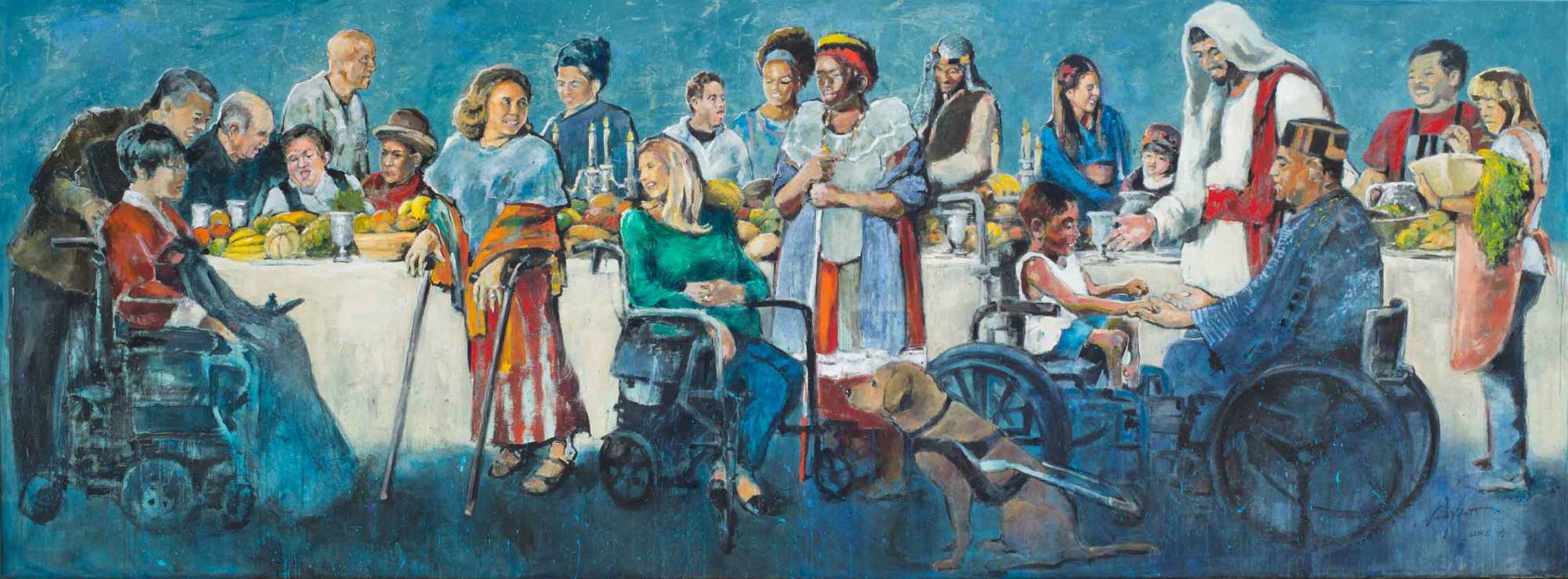
It’s not all right to trample or essentially throw away those who are not strong or “perfect” like a ripe piece of fruit. Those are the ones specially loved, treasured, protected by the Lord. The kingdom of God is filled with those who recognize their need and their gifts, then reach out and help others whom they meet along the way.
St. Paul reminded Timothy to pray for everyone, and especially for those in positions of authority. Quiet, tranquil living conditions make it much easier to live with dignity and devotion to God. To the extent that all seek to respect and work with each other, the community will grow and come to know the truth of God’s presence and activity in the world through Jesus. (1 Tim 2:1-8)
Jesus himself once told a story about a steward who was responsible for managing the business affairs of a wealthy man. This steward was not above taking an extra share of everything for himself and eventually, the master realized what was going on. He called the steward and demanded a report of what had been happening. He informed the steward that he was no longer going to be employed as steward, but he didn’t fire him on the spot. He gave the steward time to put the report together.
Interestingly, the steward didn’t despair. He developed a plan – something he could do to ensure his survival once he lost his position. He called those who owed his master money and had them modify the loan documents to reduce the amount they owed the master. In this way, the steward assured there would be people willing to help him survive once he became unemployed.
Of course, this is a totally dishonest thing to do. It’s somewhat like the piece of fruit that is overripe and not fit to be served on its own. Something has to be done and, in the case of the steward, that something was rather like making it into jam or a sweet dessert. The master was impressed by the steward’s creative solution to his dire situation. He didn’t give the guy his job back, but he recognized the creativity.
Jesus did not recommend to his followers that they follow the example of essentially stealing from the employer, but he noted the common sense of the dishonest employee in making connections that would make possible his survival.
Jesus then took the story a bit farther. He advised his followers to take the resources they have at hand and use them to make friends too. What kind of friends? Friends who are not able to fend for themselves, the ones the Lord historically always called on the Jewish people to protect and help. The wealth that matters is that which comes from God, and it is the wealth that is to be shared. This wealth typically looks different than the money we earn and use for living expenses. This wealth is the goodwill and support given to others. As we give this and practical help for meeting the needs of daily life, we receive more of the “true wealth” of the love of God. (Lk 16:1-13 )
This week, as we move through our daily activities and deal with the conflicts and challenges of our community and world today, may we keep our eyes open for the opportunities to treasure imperfections and create something wonderful in our world. May we reach out in love and respect to those we meet. May we be patient with those who are less able than we to make a way through life. May we keep our words gentle yet strong as we talk with those whose positions are different than our own. May we keep our ears open to hear the concerns underlying the words and actions of others, allowing the possibility that something wonderful might be able to develop and grow through the imperfections we all bring in our lives.
The Lord is known for treasuring us with all our imperfections and working to create something wonderful through our lives. Here’s to the sweet jams and jellies of lives transformed through love!
Readings for the Twenty-fifth Sunday in Ordinary Time – Cycle C
Read More