¿Qué esperamos de un rey?
 Desde mucho antes del nacimiento de Jesús y el comienzo de lo que ahora se llama Anno Domini (A.D.) o E.C. (la Era Común), hombres fuertes y a veces mujeres poderosas han gobernado sobre pueblos y tierras. Por lo general, estas personas obtuvieron poder a través de la violencia y luego se enriquecieron con el comercio, los bienes y los impuestos que fluían a través de sus tierras y hacia sus tesoros.
Recientemente, he estado leyendo The Silk Roads: A New History of the World (Las Rutas de la Seda: Una Nueva Historia del Mundo), por Peter Frankopan. Publicado hace casi una década, el autor se remonta a más de 4.000 años, a los reinos del Creciente Fértil y al Código de Hammurabi, rey de Babilonia. Lejos de ser Europa el centro de poder e influencia en el mundo, las tierras desde Mesopotamia hasta China y Mongolia eran ricas y poderosas. El comercio, el aprendizaje, la tecnología, la ciencia, todo prosperaba a lo largo de las Rutas de la Seda entre Asia y Europa. Los hombres fuertes lideraron a los guerreros en la conquista de las tierras vecinas una y otra vez, hasta bien entrado el presente, ya que las nuevas tierras se han convertido en las grandes potencias. Todavía no he terminado de leerlo, pero espero seguir disfrutándolo.
Todo esto nos viene a la mente al llegar al último domingo del año cristiano, la celebración de Cristo Rey del Universo.
¿Qué esperamos de un rey? Históricamente, los reyes eran los suficientemente fuertes como para conquistar y mantener tierras. Cuando sus hijos heredaron el trono, se esperaba que ellos también fueran guerreros, que defendieran sus tierras y tomaran tierras de otros siempre que fuera posible. Eran hombres a los que había que temer. Sus caprichos eran ley y su cólera mortal. Los matrimonios de los gobernantes se concertaban para crear alianzas entre los reinos. Cuando por alguna razón el matrimonio no funcionaba, o ningún heredero varón sobrevivía para hacerse cargo del reinado, el reino se tambaleaba y muchas vidas se perdían.
Hoy esperamos a alguien que lidere y gobierne con justicia. Muchas monarquías comparten el poder de gobierno con representantes elegidos por el pueblo al que gobiernan. La monarquía británica es un ejemplo de ello. El rey ya no tiene un poder ilimitado sobre la vida y la muerte de sus súbditos, pero siguen siendo llamados súbditos.
Los líderes autocráticos, a menudo elegidos por los ciudadanos de su nación, se parecen más a los reyes de la antigüedad. Su favor trae poder y riquezas a aquellos que les sirven y obedecen sus deseos. Quienes se oponen a ellos se encuentran en el exilio o en prisión, a menudo de por vida.
Entonces, si esto es lo que es un rey, ¿por qué celebraríamos a Cristo como Rey?
Cuando Jesús fue arrestado y llevado a juicio en el Sanedrín, se le preguntó si afirmaba ser el Hijo de Dios y el Mesías. Cuando se le preguntó directamente: “¿Eres tú el Mesías, el Hijo del Bienaventurado?” Jesús respondió: “Yo soy; y veréis al Hijo del Hombre sentado a la diestra del Poder y viniendo con las nubes del cielo”. (Mc 15, 61-62). Por esta declaración, fue condenado por blasfemia.
Las palabras de Jesús se hicieron eco del relato del profeta Daniel al describir las visiones que había visto durante la noche. “Vi venir a uno semejante a un Hijo del Hombre, sobre las nubes del cielo…” Este Hijo del Hombre fue presentado al Anciano y se le dio “dominio, gloria y realeza” sobre todos los pueblos del mundo, una realeza interminable e ilimitada. (Dn 7:13-14)
A pesar de haber sido condenado por blasfemia, Jesús no debía ser ejecutado por su propio pueblo. Las autoridades romanas tenían que autorizar cualquier ejecución. Sin embargo, la blasfemia no era un delito que acarreara la pena de muerte, y mucho menos la crucifixión.
Cuando las autoridades llevaron a Jesús ante el procurador, Poncio Pilato, el delito del que se le acusaba era traición, es decir, la pretensión de ser rey. Pilato interrogó a Jesús antes de emitir un juicio. —¿Eres tú el rey de los judíos? Jesús respondió preguntando si Pilato quería saberlo por sí mismo o solo establecer un punto legal. La respuesta bastante exasperada de Pilato fue que eran los sumos sacerdotes quienes lo habían entregado. —¿Qué has hecho?
Jesús no negó ser un rey, pero señaló que el reino en cuestión no era terrenal. Ninguno de sus seguidores luchaba para protegerlo o rescatarlo. —¿Entonces eres rey? —dijo Pilato—. “Tú dices que soy un rey”, respondió Jesús, una forma formal de decir “Sí”. Luego explicó que vino al mundo “para dar testimonio de la verdad”. (Juan 18:33b-37)
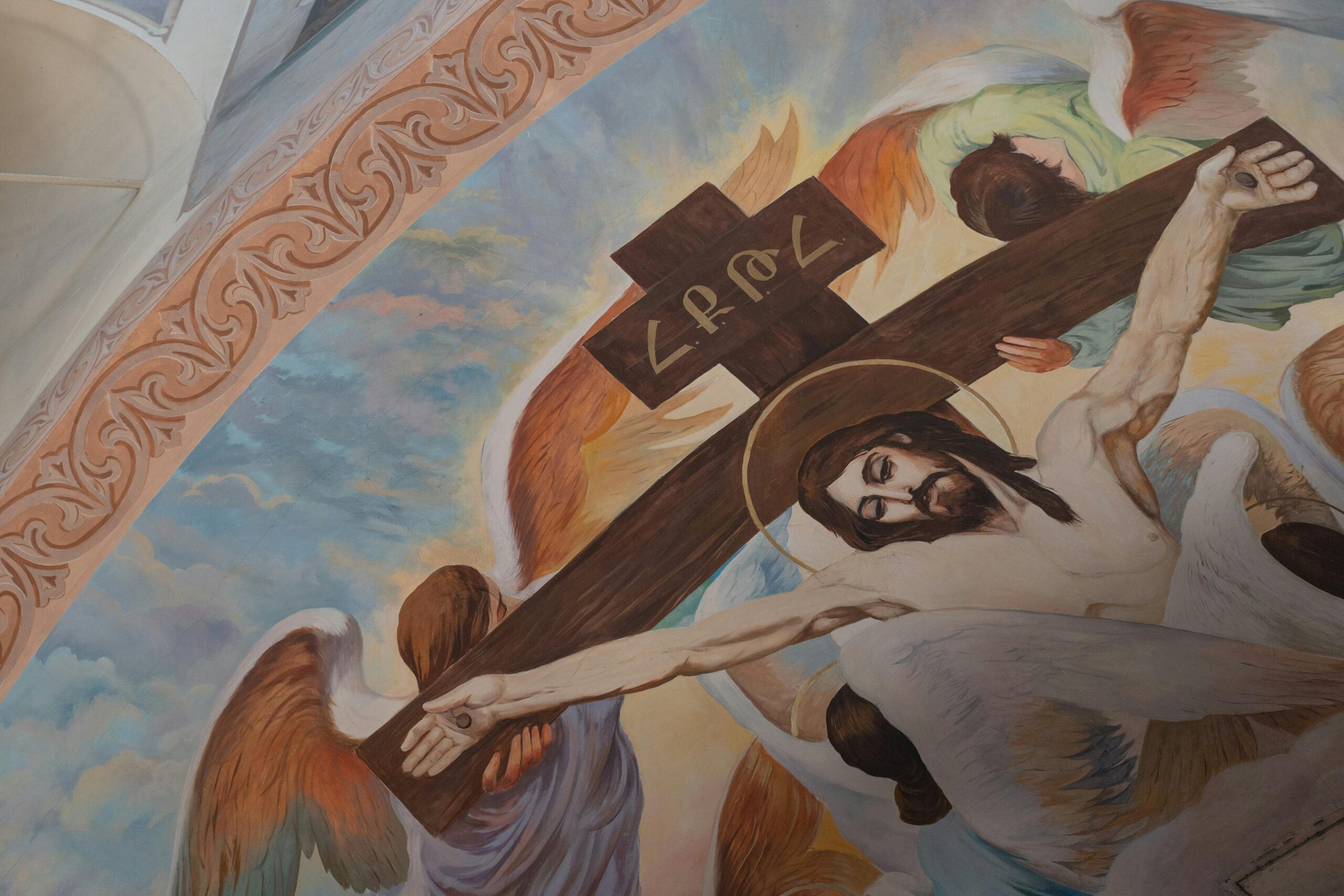
Jesús fue condenado. El letrero sobre su cabeza decía: “Jesús el Nazareno, el Rey de los judíos”.
Un rey cuyo reino no son las tierras y el poder, sino la verdad y la justicia. No es la justicia que castiga a los que intentan arrebatarle tierras o poder. Justicia que asegura a los pobres comida y refugio y la oportunidad de vivir su dignidad humana. Justicia que protege a los niños y a los refugiados. Justicia que abre los corazones para amar y aceptar a los que son diferentes a ellos. Justicia que acoge a todos y cuida de la tierra y de toda la creación. Justicia que dice la verdad al poder, como Jesús lo hizo a Pilato. Justicia que es un testimonio de la verdad del amor de Dios por todos.
Este es el Rey del Universo a quien celebramos. Aquel a quien las visiones del Apocalipsis aclaman. “Jesucristo es el testigo fiel, el primogénito de los muertos y el gobernante de los reyes de la tierra”. Él es el que “nos ama y nos ha liberado de nuestros pecados… nos convirtió en un reino, sacerdotes para su Dios y Padre”. (Ap 1:5-8) Él es quien nos llama a vivir las Bienaventuranzas. Aquel que sanó a los enfermos, alimentó a los hambrientos, consoló a los afligidos y se dio a sí mismo en testimonio de la verdad.
Muy lejos de lo que solemos esperar de un rey. Sin embargo, él es el Rey que nos eligió y cuyo ejemplo estamos llamados a seguir. Gracias a Dios.
Lecturas para la Solemnidad de Nuestro Señor Jesucristo, Rey del Universo – Ciclo B
Read More