Many Different Gifts from the Same Spirit
 On the Feast of Pentecost, we pray, “Come Holy Spirit, come! And from your celestial home, shed a ray of light divine!”
Many words have been written, including by yours truly, about Pentecost and all that happened on that day so many years ago. (Acts 2:1-11) Today I want to focus on the gifts which the Holy Spirit pours out into the world through each and every one of us.
None of us has received exactly the same gift. None of us will ever be in exactly the same situation as someone else is or has ever been. For each person, the experience of life is unique – our family histories, the experiences we had as children, teens, or adults, our reactions to those experiences, what we have learned, what hopes we have, what fears we have. Each of us is unique.
Because each of us is unique, our relationship with what is sometimes called in anthropology the “Transnatural” and in more common terms, “the divine,” is also unique. We each bring unique gifts to those with whom we share this journey of human life, gifted to us by God. And this God? Not a towering, vengeful, angry, demanding tyrant. Love. Total, unconditional love. Neither male nor female. Moving freely among all beings. Touching each with the breath of life.
This Holy Spirit, this Holy Breath of Life, comes to each one. At Pentecost, we celebrate the pouring out of this Breath into our lives, into our community, into our world. The Wisdom of God, this holy breath, is seen as feminine in Hebrew scripture. It is the gift requested by King Solomon when the Lord offered him any gift he might request as he became King of Israel.
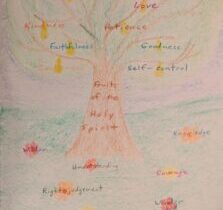
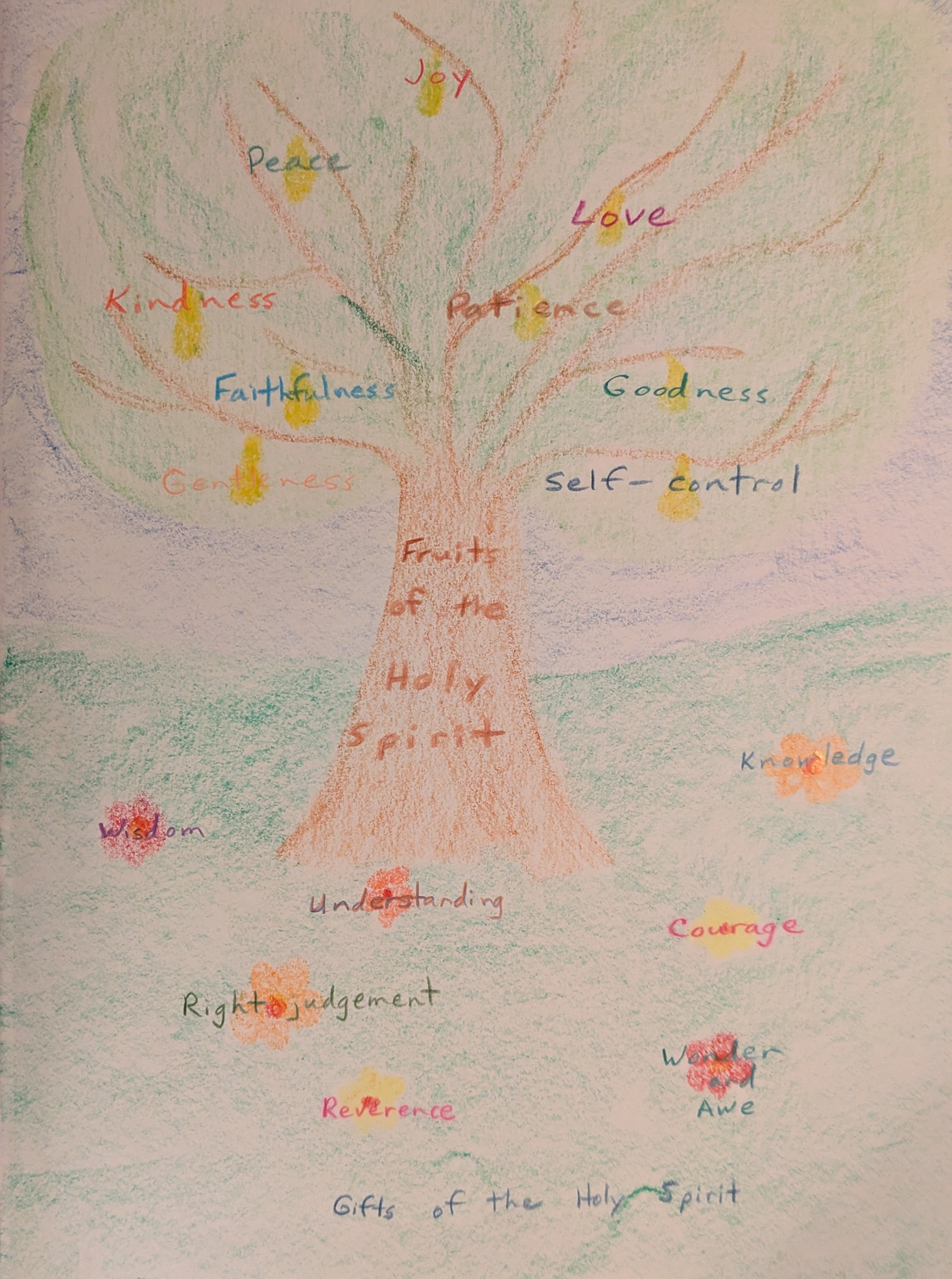
The gifts of the Holy Spirit, as named by the prophet Isaiah in speaking of the coming of the Messiah, are Wisdom, Understanding, Counsel (right judgement), Fortitude (courage), Knowledge, Reverence, and Wonder and Awe for God. Each of these gifts enables us to hear and share the other gifts we receive. Some of those other gifts include leadership, healing, prophecy, discernment, teaching, and interpretation of meanings. In the early church, speaking in tongues and interpreting those words were a more common gift. While not as common today, they are still sometimes received.
One of the key things to understand about the gifts of the Spirit is that they are not received or perceived in exactly the same way for each person. Just as some are good at organizing groups and projects and others are good at telling stories, the gifts of leadership or teaching take different forms with each person who receives them. We all have something to offer, whether originally from the community in which we find ourselves or from somewhere else. Those who come from other parts of the world bring perspectives and experiences that enrich the communities into which they move.
St. Paul reminds us that each of us is part of Christ’s body, so no one is more important or less important than any other one of us. (1 Corinthians 12:3b-7, 12-13) With the Spirit’s gifts in our hearts, the fruit of that presence becomes visible in our lives. Peace, joy, kindness, love, gentleness, faithfulness, patience, goodness, and self-control all characterize those who remain in the Spirit as they walk through life. These fruits of the Spirit make their witness more powerful and subtle at the same time. It’s not necessary to speak words to share the Gospel. Our lives of loving, kind, and patient care for others we meet in our daily lives speak of the presence and love of God.
This is all fine and good within Church communities, but how could it possibly have anything to do with life in the world today? How might the gift of reverence, for example, have any relevance in ordinary life? How would the gift of tongues or interpretation of tongues show up today?
There are many ways in which the gifts and fruits of the Holy Spirit can come into play in our interpersonal interactions, as well as in our interactions with other nations in the world. For example, reverence for the unique experience of another person might show up as respectful attention to what that person is saying and withholding judgement regarding their intentions until they have a chance to explain their point of view. A gift of tongues might include sensitivity to the non-verbal cues we all present to the world in which we move. Those of our own cultural or community group are more likely to interpret them correctly, but some will also be more able to understand the subtle cues from those of another culture or community. This gift is to be shared, so understanding and mutual respect can take root and grow.
When we look at national and international questions and conflicts, openness to the gifts of the Spirit expressed in other people and their customs can and will enrich all of us. When we slam shut doors of communication and interchange, we slam shut our hearts to the workings of the Spirit in all their richness.
Today, as we deal with questions of fairness, justice, human rights, access to the basics needed for human dignity, health care affordability, immigration policy, national defense, and responsibility to care for each other as we would care for Our Lord if we saw him suffering here today, the gifts of the Spirit are the source of our strength and ability to reach out, see the need, and do our part to help alleviate it.
Most of us will never be in a position to change what is happening on the international stage. Most will not have a voice beyond our votes and letters to our elected representatives to change national policy. Nevertheless, we do have the opportunity to make a difference in the communities in which we live. We exercise most of the gifts we receive right here and now in our families, schools, workplaces, and the places where we rest and celebrate together.
As we move through our days, we are called and gifted in many different ways to be part of Christ’s Body, sharing freely in the loving service he gave and wants to continue to offer to all people.
A beautiful hymn in Spanish says it well, “Cristo te necesita para amar” – “Christ needs you to love.” In order to love or simply to love? The word para carries a rather complex meaning here. The English translation is not so literal, it changes the wording a bit to “Jesus needs you to give the world your love.” The hymn goes on to insist that neither race nor skin color are of any importance, love everyone as brothers and sisters and do the right thing. Love the one who suffers, the one who is sad, the one who lives next door and the one who comes from far away. Love those who speak another language and those who think differently than you do, your close friend and the one who doesn’t ever speak to you. It doesn’t matter what their race or the color of their skin, love all as brothers and sisters and do good. As his Body, this is what he needs us, calls us, to do.
This is our call, in easy times and in hard. The Holy Spirit is still working among us, bringing many gifts and sharing them with each of them for our own unique role as part of the kingdom of love, the Body of Christ in our world.
Come Holy Spirit, fill the hearts of your faithful and kindle in them the fire of your love. Send forth your Spirit and they shall be created and you shall renew the face of the Earth.
“Cristo Te Necesita Para Amar” – words and music by Cesáreo Gabaráin – in Flor y Canto
Readings for Pentecost – Cycle A