Shoe-d Away or Welcomed In?
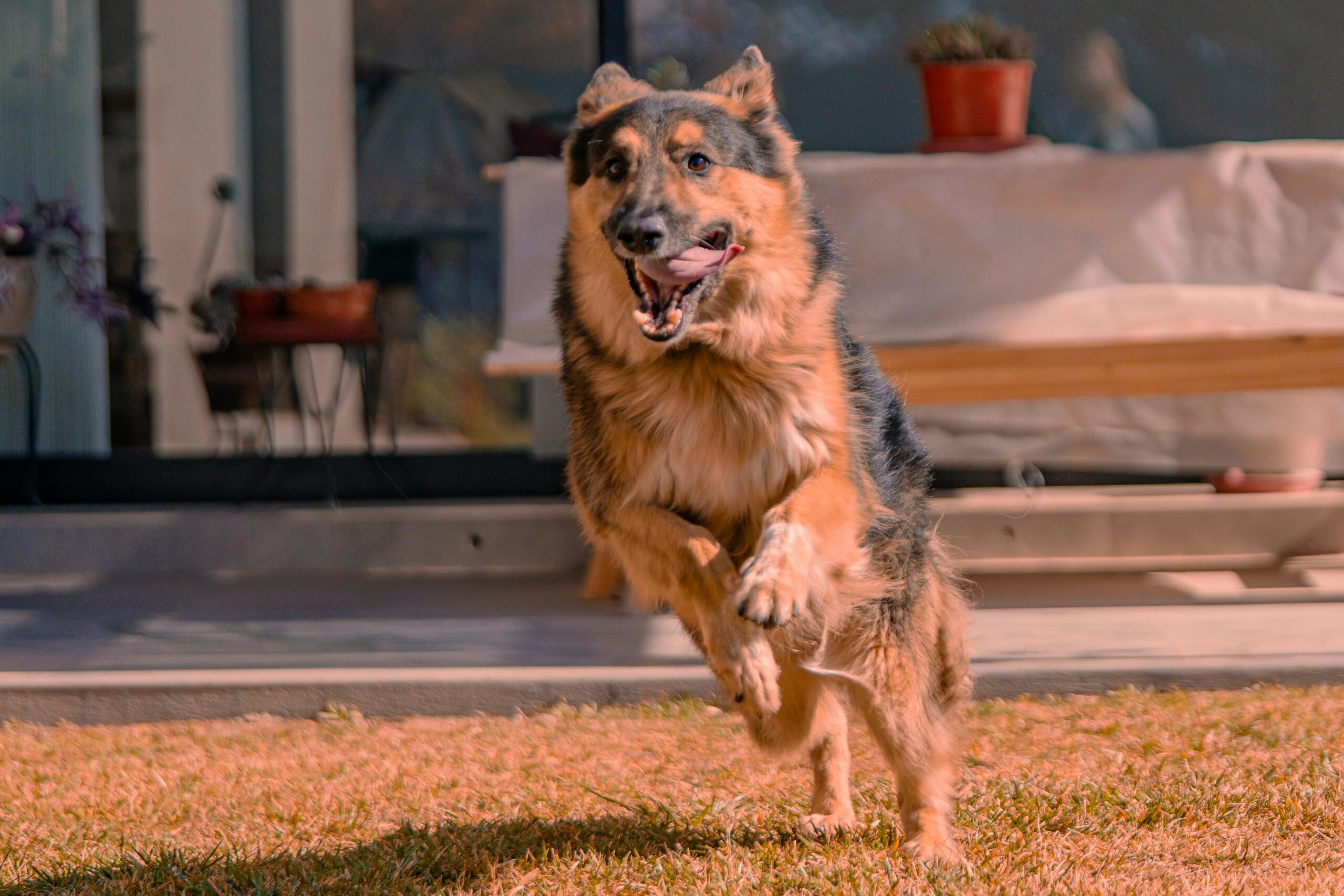 We always had dogs when I was a girl and there were many individual quirks that distinguished each of them. One did not like my Grandmother. Another disliked my Aunt. We knew what had caused the issue with Grammy, but none of us was ever sure what my Aunt might have done to make the dog believe she was an enemy. Regardless of the reason, he was absolutely convinced.
She lived in another town several hours away, so he didn’t see her often, but he always barked ferociously when he saw her and moved to guard the door of the house to prevent her entry. As a result, she usually simply came in through the front door rather than the back. It was just easier on the dog and the rest of us that way.
One day, she was in town for a gathering at the home of another family member. She had traveled several hours that day to get there and was tired, so she left earlier than the rest of us did. When we stopped to think, we realized she didn’t have a key to the house, so how was she going to get in?
We hurried home and found the lights on inside the house and the dog loose in the backyard. He had been locked in the kennel when we left, so he wouldn’t go over the fence and take an unsanctioned walk for a bit before we returned. (He had no hesitation about going over the fence when it seemed urgent to him. He also knew how to open the latch on the gate, but that’s another story.)
We went into the house and asked my Aunt how she had gotten in past the dog. The key, after all, was kept inside the locked kennel. She laughed and said, “I shoed him out!”
We all heard shoo-d (past tense of shoo) and were confused. What would shooing a barking, angry dog do that would allow her to get past, retrieve the key, and get safely into the house? But that wasn’t the word she used. It was shoed, but not in the sense one would use to describe putting a shoe on a horse. She explained that she simply picked up the tennis shoe that he loved to chase and retrieve in a game of fetch and tossed it to the far corner of the yard. She stepped into the kennel, got the key, and went into the house before he returned and realized what had just happened. We all had a good laugh at that. She had shoe-d the dog.
I find myself remembering this story as I reflect on Jesus’ description of himself as both shepherd of a flock that is protected in a locked, gated sheepfold and as the gate himself. He reminded his listeners that the shepherd enters and leaves the enclosure through a gate, opened by a gatekeeper. The sheepfold has sheep from many flocks, but his sheep recognize his voice and, reassured by his presence, follow him out the gate and into the pasture for the day. Each sheep has a name and is known to the shepherd, who uses the name to call the sheep to come along. Anyone who doesn’t have the key or the gatekeeper’s permission to enter must find another way in. Thieves come in over the fence, not through the gate. The sheep do not voluntarily come to the thieves and follow them.
A bit later, Jesus adds another layer to the image. “Amen, amen, I say to you, I am the gate for the sheep.” “Amen, amen…” We might phrase it as, “Listen up, guys, this is important!” Jesus is not only the shepherd. Jesus tells us he is the gate through which those who follow his call will enter and leave the sheepfold to go out to the pasture for the day, before returning to its safety for the night. (Jn 10:1-10)
As a good shepherd, he comes to bring abundant life to his sheep, unlike the thieves who steal them in order to kill and eat them.
Our challenge is to hear and recognize the call of this Good Shepherd in our lives. We hear so very many voices, many of which sound very rational and reasonable. Nations and peoples are described as enemies who can never be trusted. Former allies are criticized and insulted. Bombs are dropped and children are killed. It seems like the world has gone mad, made to dance like a puppet in the hands of a mad puppeteer.
Which voices are we to trust? Which people are the dangerous Aunt who must not get past us in our role as guard dogs? Are they really dangerous? Do they throw a shoe for us to chase, so we forget we don’t like or trust them? Or do others who want to fool us throw the shoe, so we won’t notice what they are doing? Are they trying to “shoe” us?
As we celebrate Good Shepherd Sunday, let’s keep our eyes and ears open to hear the voice of the Lord, our Shepherd, calling us to be kind and gentle with those we meet, and to be careful not to judge or jump to conclusions about the intentions of other people, especially those whose ways are different than our own. Let’s be hopeful, knowing that we and the rest of our human brothers and sisters are also loved by God and called to relationship with each other and with our divine Father, our brother Jesus, and the Holy Spirit, the Holy Breath of God, our sister Wisdom. Let’s not get distracted by that “shoe,” whatever it is.
In the Kingdom of God today, here and now as well as in the future, will we be shoe-d away or welcomed in as we welcome others to come with us? Which will we choose?
Readings for the Fourth Sunday of Easter – Cycle A